Transforming Onboarding and Training with AI Agents
Starting a new job is a defining milestone. It brings excitement, ambition, and the hope of new opportunities. Yet for many employees, this first chapter also comes with confusion, unanswered questions, and a sense of being unprepared. Processes feel scattered, terminology is foreign, and valuable time is lost searching for basic answers.
From an organizational perspective, these struggles have consequences beyond inconvenience. They lead to delayed productivity, disengagement, and sometimes even premature resignations. Managers and HR teams, instead of focusing on culture-building or long-term strategies, often find themselves repeatedly answering the same operational questions.
This is where AI Agents transform the experience. By acting as intelligent assistants, they offer real-time guidance, role-specific training, and structured onboarding flows that scale across the workforce. They not only reduce friction in the first weeks of employment but also support continuous learning long after the orientation period has ended.
Why Traditional Onboarding Models Are Broken
Information Silos That Slow Down Learning
A new hire’s first weeks are often filled with uncertainty. Something as simple as finding the process to reset a password or request a laptop replacement can require digging through old emails, browsing outdated intranet sites, or bothering busy colleagues. This scattered information leads to inconsistent answers, wasted time, and growing frustration.
Overburdened HR Teams
HR professionals want to focus on people development, talent retention, and creating a positive culture. Instead, much of their day is consumed by repetitive “how do I” questions. The cycle repeats with every new hire: where to find forms, how to access certain systems, or who approves specific requests. It’s a drain on resources and a barrier to strategic work.
One-Size-Fits-All Training
Traditional onboarding often means generic slide decks, handbooks, or long presentations. Yet every role is different. A software engineer requires entirely different training than a sales associate. Still, many companies continue to deliver uniform materials that fail to resonate, leaving employees disengaged and struggling to apply what they’ve learned.
Delayed Productivity That Hurts Growth
It often takes months before a new employee feels fully confident in their role. In today’s fast-moving business world, this delay doesn’t just affect the individual. It slows down teams, affects market responsiveness, and impacts customer satisfaction. Clearly, the old playbook no longer works in a digital-first environment.
The AI Agent Advantage: A Smarter Way to Onboard and Train
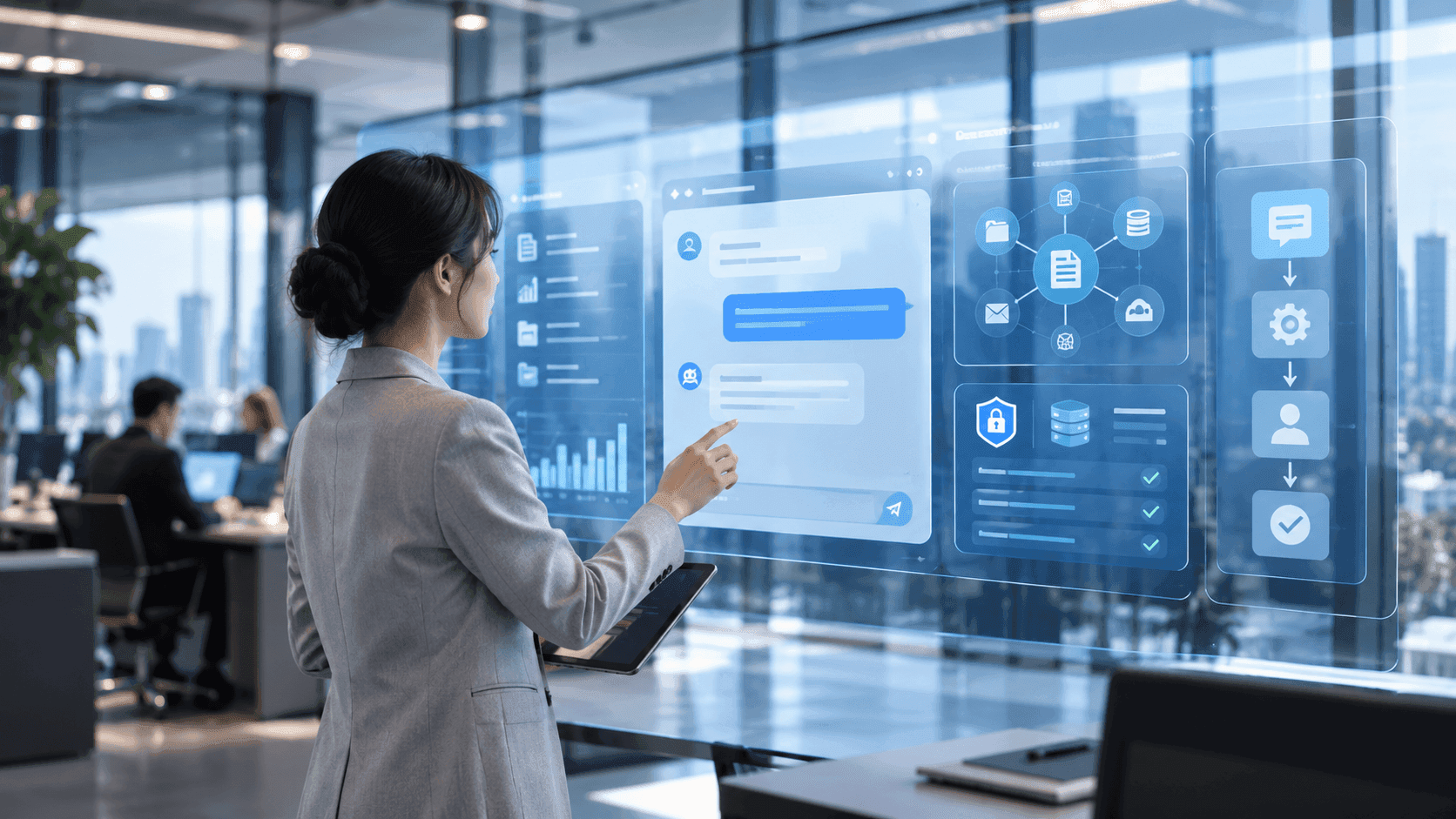
Real-Time, Context-Aware Guidance
AI Agents integrate with company knowledge bases, SOPs, and communication platforms. This means answers are not just quick but context-aware. For example:
- A finance associate can instantly learn how to submit a reimbursement.
- A remote worker can check the policy for flexible hours.
- A developer can retrieve coding guidelines directly from the AI Agent.
Unlike static FAQs or search tools, these responses are curated, role-specific, and continuously updated.
Always Available, No Delays
Managers and HR staff need rest; AI Agents don’t. They operate 24/7, which is crucial in global organizations where employees work across different time zones. Whether it’s late at night or during a holiday, employees have immediate access to the knowledge they need, without waiting for human availability.
Structured and Interactive Onboarding Flows
Beyond answering questions, AI Agents proactively guide employees through customized onboarding journeys:
- Interactive tutorials for navigating company tools.
- Scenario-based learning modules that simulate real challenges.
- Gamified quizzes to keep engagement high.
- Regular check-ins that track progress and surface concerns early.
This ensures consistency while still adapting to each role, department, or location.
Continuous Internal Training: Beyond the First Week
Onboarding should not end after the first few days. Employees grow, roles evolve, and new tools are introduced. AI Agents extend their value far beyond orientation by becoming long-term learning partners.
- For sales teams: They can deliver instant product updates or share best practices before client meetings.
- For developers: They can surface coding standards or deployment workflows without employees searching through dense documentation.
- For marketers: They can remind teams about brand guidelines, compliance requirements, or approved messaging.
This creates a culture of “learning in the flow of work,” where employees gain knowledge exactly when they need it, without interrupting productivity.
Business Impact: Why Companies Are Adopting AI Agents
Organizations adopting AI-driven onboarding and training see transformation across multiple dimensions:
- Accelerated Time-to-Value: New hires reach confidence and independence faster, reducing downtime and helping teams perform at full strength sooner.
- Reduced HR Workload: Repetitive queries are automated, freeing HR to focus on engagement, mentorship, and strategy.
- Better Knowledge Retention: Interactive and personalized formats make learning stick, reducing the need for repeated training sessions.
- Consistency with Flexibility: Every employee receives the same foundation while still enjoying role-specific customization.
- Stronger Engagement: Employees feel supported and empowered, which fosters motivation, loyalty, and a sense of belonging.
The Future of AI Agents in Learning and Development
AI Agents are still evolving, and their role in the workplace will only expand. Potential future applications include:
- Adaptive learning paths that evolve with an employee’s career growth.
- Sentiment analysis that identifies frustration or confusion early, allowing managers to intervene.
- Multilingual capabilities that break down language barriers in global teams.
- Voice-enabled support that helps employees in fieldwork or manufacturing settings access training hands-free.
Ultimately, AI Agents will shift from being supportive tools to strategic enablers shaping workforce development, knowledge sharing, and even corporate culture.
Read more:
Conclusion: Building a Smarter Workplace with AI Agents
Onboarding and training are no longer just administrative processes; they are strategic levers that influence productivity, engagement, and long-term retention. Companies that embrace AI-powered onboarding gain a competitive edge by helping employees feel supported, confident, and capable from day one.
Importantly, AI Agents do not replace human connection. They complement it. By automating repetitive tasks and delivering contextual knowledge, they give HR and managers the space to focus on mentorship, empathy, and building authentic workplace culture.
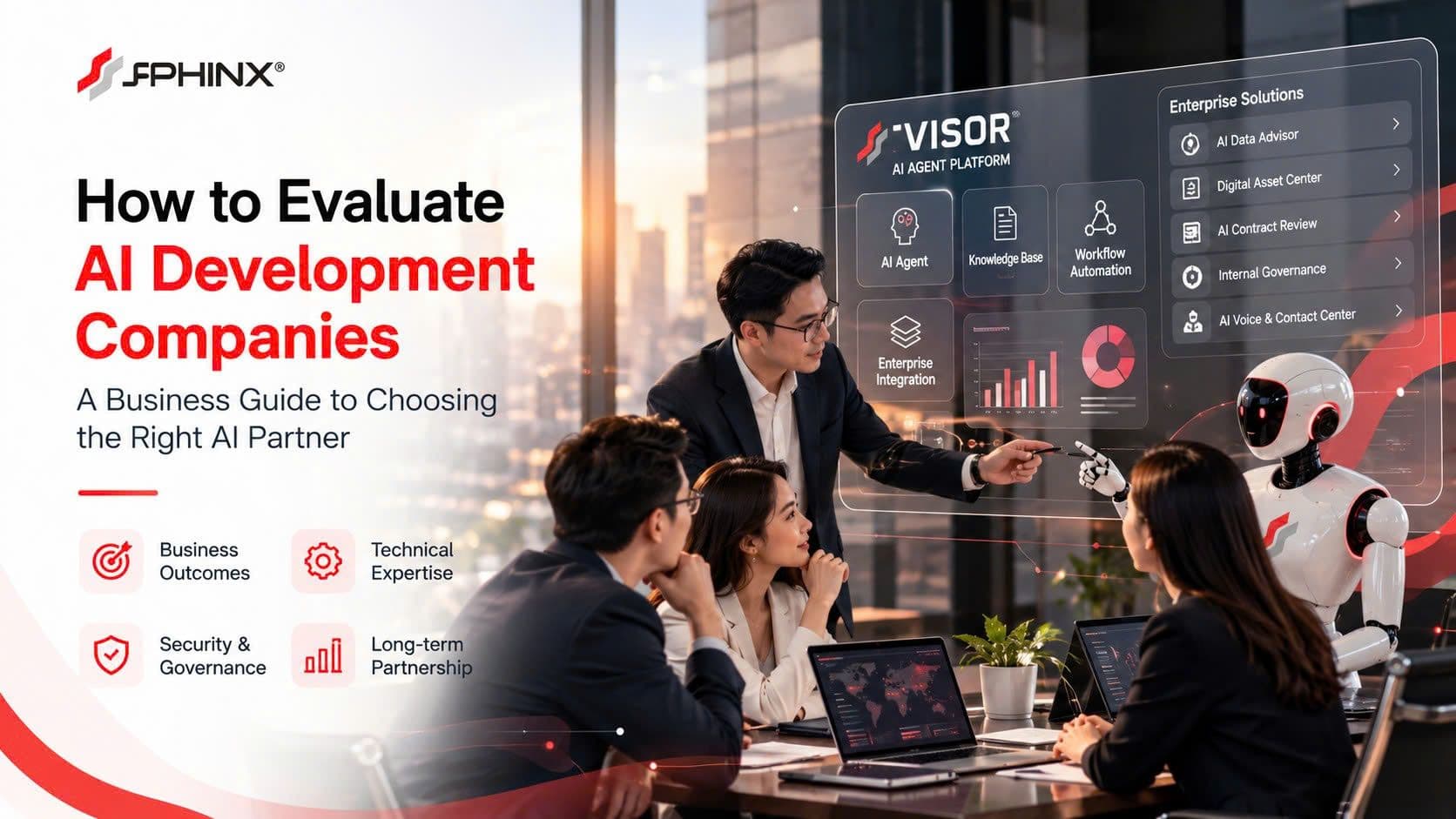
At Sphinx JSC, we believe the future of employee enablement lies in intelligent, human-centered AI. Our platform, S-Visor, is designed to streamline onboarding, support continuous training, and empower employees with real-time guidance throughout their journey. Together, we can build smarter, more resilient workplaces where people and technology thrive side by side.