How AI is Reshaping the Logistics Sector
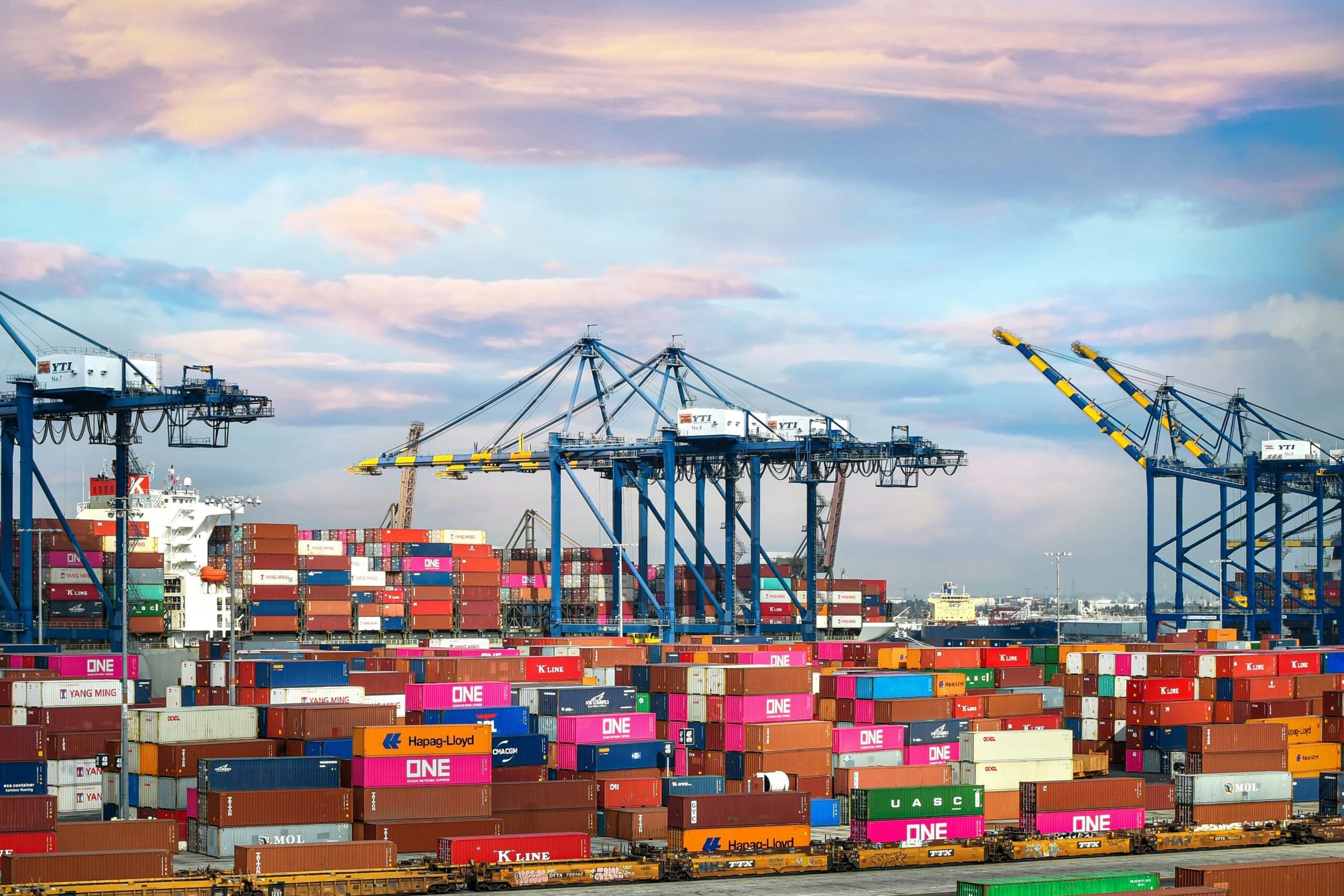
Artificial Intelligence (AI) is fundamentally reshaping the logistics and supply chain industry. Once reliant on manual processes and static planning, logistics has evolved into a tech-driven sector where speed, precision, and data-informed decisions define success. AI is at the core of this transformation offering solutions that boost efficiency, lower costs, and provide better visibility and control across operations.
This blog explores how AI is transforming logistics, its most common applications, key benefits, and challenges that organizations must address during implementation.
Top Use Cases of AI in Modern Logistics
AI technologies are being applied across multiple touchpoints in logistics operations, improving everything from delivery speeds to warehouse accuracy. Here are the leading applications:
Demand Forecasting
Accurate demand forecasting is critical to reducing excess inventory and ensuring on-time deliveries. AI algorithms can process large volumes of historical sales data, economic indicators, weather patterns, market trends, and seasonal cycles to forecast future demand. These forecasts allow businesses to better manage inventory, reduce stock outs or overstocking, and align supply with customer expectations.
Route Optimization
AI-driven route optimization systems use real-time traffic data, weather conditions, vehicle load capacity, and delivery schedules to identify the most efficient delivery routes. Unlike static routing systems, AI can adapt instantly to changes such as road closures or traffic jams, ensuring timely deliveries and reducing fuel consumption.
Warehouse Automation and Robotics
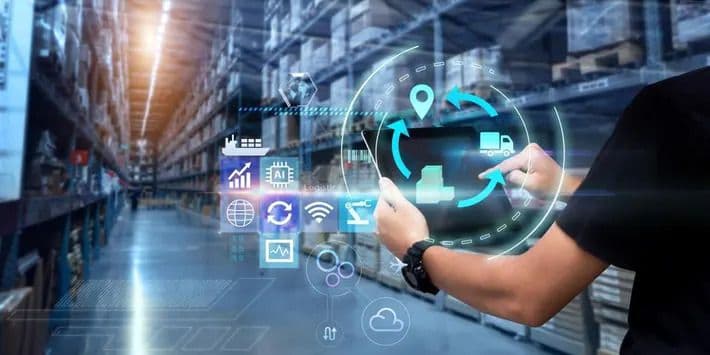
Modern warehouses are increasingly adopting AI-powered automation systems. These include smart sorting systems, autonomous mobile robots (AMRs), and AI-enhanced vision systems that can identify, locate, and manage inventory with high precision. AI also enables dynamic slotting — automatically organizing inventory based on real-time demand and warehouse flow.
Predictive Maintenance
Logistics fleets — including trucks, aircraft, and cargo ships — require continuous maintenance. AI-powered predictive maintenance systems analyze data from sensors and vehicle monitoring systems to predict when components will fail. This approach helps prevent unexpected breakdowns, improves fleet availability, and extends the lifespan of vehicles and equipment.
Last-Mile Delivery and Autonomous Vehicles
AI is playing a central role in the development of autonomous delivery vehicles and drones. These technologies aim to reduce human labor costs and improve last-mile delivery efficiency, which is often the most expensive segment of logistics. In addition, AI can dynamically reroute vehicles based on real-time delivery constraints and customer availability.
Customer Service via Chatbots and Virtual Assistants
AI-driven chatbots and voice assistants provide real-time communication with customers, offering delivery updates, order tracking, and support services 24/7. These tools help reduce call center workloads and improve customer satisfaction by offering faster, more consistent responses.
Benefits of Implementing AI in Logistics
Companies that successfully integrate AI into their logistics processes gain several advantages that directly impact their bottom line and customer experience:

Enhanced Operational Efficiency
AI systems can perform repetitive and data-intensive tasks faster and more accurately than humans. This leads to faster decision-making, reduced manual errors, and streamlined logistics operations. Whether in routing, inventory planning, or demand forecasting, AI helps eliminate inefficiencies and accelerate workflows.
Cost Reduction
AI can identify hidden inefficiencies that lead to excessive fuel consumption, warehouse storage costs, and staffing expenses. For example, predictive maintenance reduces repair costs, while route optimization minimizes fuel use and overtime pay. Over time, these cost savings contribute significantly to increased profitability.
Improved Accuracy and Decision-Making
AI-powered analytics platforms enable logistics managers to make data-driven decisions based on predictive insights rather than historical assumptions. This is especially important in a volatile global market where agility and accuracy are crucial.
Increased Customer Satisfaction
AI enhances customer experience by providing accurate ETAs, real-time tracking, and personalized delivery options. AI tools also enable faster and more responsive customer service through automated assistants that can handle queries, returns, and status updates effectively.
Greater Supply Chain Resilience
AI helps companies anticipate disruptions such as weather events, port delays, or labor strikes. By identifying potential risks early, businesses can proactively adjust their logistics plans, ensuring supply chain continuity and reducing financial losses.
Environmental Sustainability
With optimized routes and reduced idle times, AI contributes to lower carbon emissions. Furthermore, AI-driven inventory management helps reduce waste and unnecessary production, aligning logistics strategies with sustainability goals.
Challenges Faced in Deploying AI Across the Logistics Industry
Despite its many advantages, integrating AI into logistics operations is not without challenges. Organizations must address several key issues to realize the full potential of AI:
High Implementation Costs
Developing or deploying AI systems involves significant upfront investment in infrastructure, data processing capabilities, and skilled personnel. Small and mid-sized companies may find it difficult to justify these costs without a clear return on investment.
Data Quality and Availability
AI systems rely heavily on high-quality, structured data. In many logistics environments, data may be incomplete, inconsistent, or siloed across departments. Poor data quality can undermine AI models, leading to inaccurate predictions or inefficient decision-making.
Integration with Legacy Systems
Many logistics firms still operate with outdated IT systems that lack the flexibility to integrate with modern AI platforms. This can result in compatibility issues and delays in implementation, requiring costly system upgrades or custom development.
Shortage of Skilled Talent
The logistics sector faces a growing skills gap in areas such as data science, machine learning, and AI system design. Finding or training personnel with the right expertise remains a major hurdle for many organizations.
Cybersecurity and Privacy Concerns
As logistics companies become more data-driven, they also become more vulnerable to cyber threats. AI systems must be safeguarded with robust security protocols to prevent data breaches, fraud, or sabotage especially when handling sensitive customer and supplier information.
Looking Ahead: The Future of AI in Logistics
The impact of AI in logistics will only continue to grow in the coming years. As technologies such as edge computing, 5G connectivity, and generative AI mature, logistics companies will unlock new possibilities for real-time optimization, autonomous transport, and hyper-personalized customer experiences.
Moreover, governments and industry regulators are beginning to establish frameworks to support the safe and ethical use of AI in transportation and supply chain operations. These developments will help create a more standardized and scalable environment for AI deployment across global logistics networks.
Final Thoughts
The logistics industry is undergoing a major transformation powered by artificial intelligence. From cost savings and faster deliveries to smarter warehouses and better customer experiences, the benefits of AI are tangible and transformative. While challenges exist, companies that begin their AI journey now will be the ones leading the future of global logistics.
Sphinx JSC can help you harness the power of artificial intelligence to elevate your supply chain. With proven expertise in AI-driven solutions and a commitment to innovation, we partner with enterprises to build smarter, faster, and more efficient logistics systems. Contact Sphinx today to discover how we can turn your logistics data into intelligent decisions.