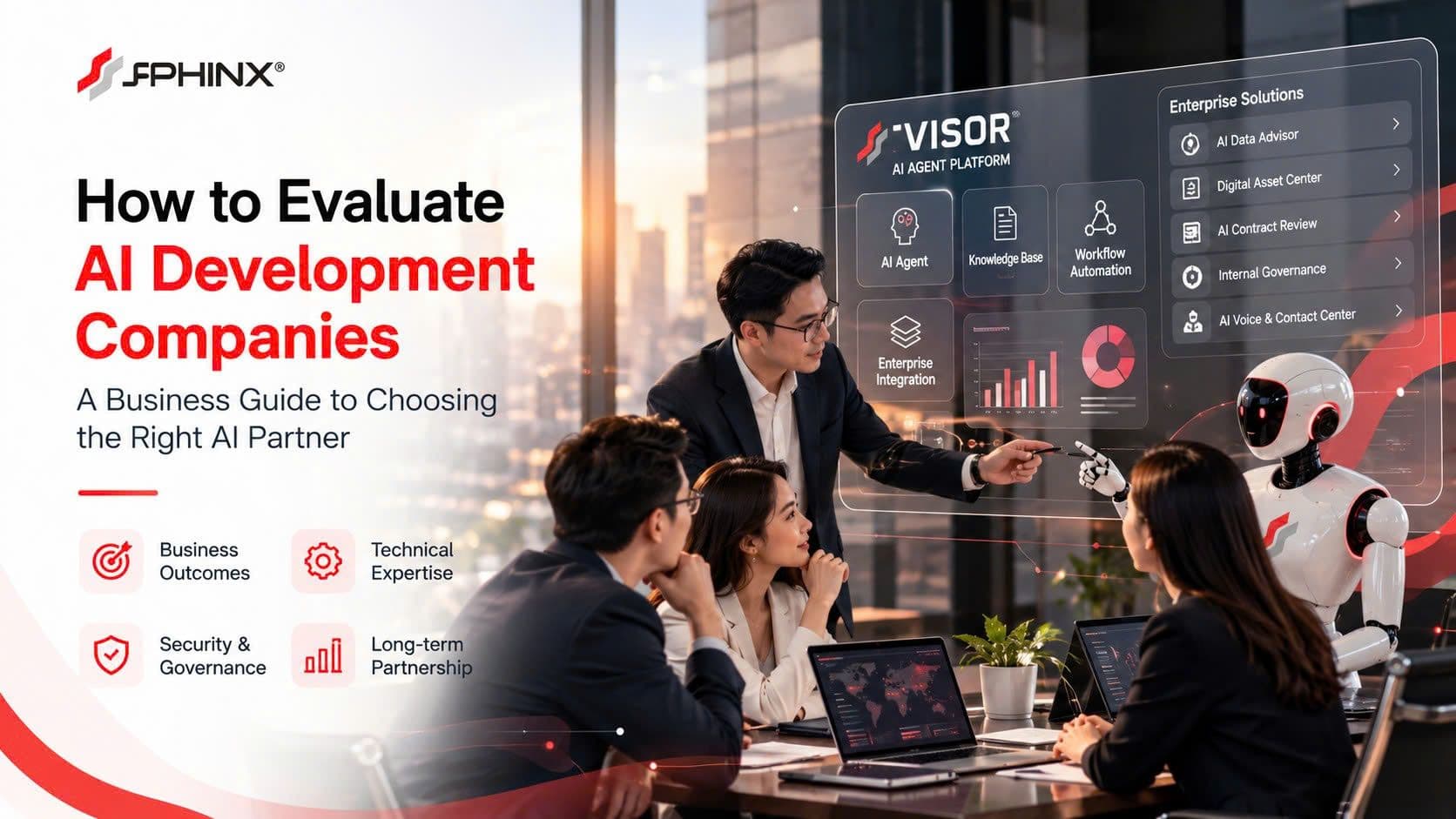
How AI-Driven Development Is Reshaping Software Teams

Artificial intelligence is no longer a futuristic concept in software engineering. Today, AI-driven development is becoming a core part of how modern software teams build, test, deploy, and scale digital products. From intelligent code generation to automated testing and predictive project management, AI is fundamentally transforming the software development lifecycle.
As businesses race to innovate faster and reduce operational inefficiencies, AI-powered development practices are helping organizations deliver higher-quality software in less time. Companies that embrace this shift are gaining a competitive advantage through improved productivity, smarter decision-making, and more agile development workflows.
What Is AI-Driven Development?
AI-driven development refers to the integration of artificial intelligence technologies into the software development process. Instead of relying solely on manual coding and traditional workflows, development teams now use AI-powered tools to automate repetitive tasks, improve code quality, and accelerate delivery cycles.
These AI capabilities can include:
- AI-assisted coding and code completion
- Automated debugging and testing
- Intelligent project estimation
- Predictive analytics for development workflows
- Natural language processing for documentation
- AI-generated architecture recommendations
Modern AI development tools are designed to support developers rather than replace them. Engineers can spend less time on repetitive tasks and more time solving complex business problems, improving user experiences, and building innovative products.
AI-driven development also enhances collaboration across departments by enabling faster communication between developers, project managers, QA teams, and business stakeholders.
The Impact on Development Teams and Businesses
The rise of AI-powered development is changing not only how software is built but also how development teams operate internally. Teams are becoming more efficient, data-driven, and adaptive to changing business demands.
Increased Developer Productivity
AI coding assistants can generate boilerplate code, suggest improvements, detect vulnerabilities, and automate documentation. This significantly reduces development time and allows engineers to focus on strategic work instead of repetitive coding tasks.
As a result, teams can release updates faster while maintaining high development standards.
Faster Time-to-Market
Businesses today face intense pressure to launch products quickly. AI-driven workflows streamline planning, coding, testing, and deployment, reducing bottlenecks throughout the development lifecycle.
Shorter development cycles help businesses respond rapidly to customer needs and market changes.
Improved Software Quality
AI tools can analyze massive amounts of code to identify bugs, security risks, and performance issues early in the development process. Automated testing powered by machine learning improves software reliability and minimizes costly post-release errors.
Better Resource Allocation
AI-driven analytics help managers understand team performance, identify risks, and allocate resources more effectively. Businesses can make smarter decisions based on real-time project insights rather than assumptions.
Enhanced Collaboration
AI-powered platforms improve communication between technical and non-technical teams by simplifying reporting, documentation, and workflow visibility. This creates more alignment between business goals and engineering execution.
How AI Is Changing Project Planning and Execution
Traditional project management often relies heavily on manual estimations and historical assumptions. AI is changing this by introducing predictive intelligence into planning and execution processes.
Smarter Project Estimation
AI systems can analyze previous development projects to estimate timelines, costs, and risks more accurately. This helps teams avoid unrealistic deadlines and improve project predictability.
Predictive Risk Management
AI tools can detect patterns that indicate delays, resource conflicts, or performance bottlenecks before they become critical problems. Project managers can proactively address issues instead of reacting after setbacks occur.
Automated Workflow Optimization
AI can recommend workflow improvements based on team behavior and development patterns. For example, it may identify inefficiencies in sprint planning, deployment pipelines, or testing processes.
Real-Time Performance Monitoring
AI-powered dashboards provide continuous insights into development progress, code quality, and productivity metrics. Teams gain better visibility into project health and can make faster decisions when priorities shift.
Continuous Improvement Through Data
AI systems continuously learn from development activities, helping organizations refine processes over time. This creates a culture of ongoing optimization and operational efficiency.
Why Businesses Are Investing in AI Development Services
The growing demand for digital transformation is pushing companies to adopt AI development services at an accelerated pace. Organizations across industries are recognizing that AI is no longer optional for long-term competitiveness.
Cost Reduction
AI automation reduces manual workloads, minimizes errors, and improves operational efficiency. Businesses can lower development costs while increasing output quality.
Scalability
AI-driven systems allow businesses to scale development operations more effectively without proportionally increasing team size. This is especially valuable for fast-growing companies managing multiple digital products.
Competitive Advantage
Organizations that adopt AI-driven development can innovate faster, personalize customer experiences, and adapt quickly to market trends. Early adoption often leads to stronger market positioning.
Better Decision-Making
AI provides actionable insights based on real-time data, helping leaders make informed decisions about product strategy, investments, and operational priorities.
Future-Ready Infrastructure
Companies investing in AI development services are preparing for the next generation of software engineering, where intelligent automation and machine learning will become standard industry practices.
What to Look for in an AI-Ready Development Partner
Choosing the right development partner is critical for successful AI adoption. Businesses should look beyond basic software development capabilities and evaluate whether a partner can support long-term AI transformation goals.
Strong AI and Engineering Expertise
An AI-ready development partner should have experience in machine learning, automation, cloud infrastructure, and scalable software architecture. Technical expertise is essential for building reliable AI-powered solutions.
Industry Experience
Partners with experience in your industry can better understand your business challenges, compliance requirements, and customer expectations.
Focus on Security and Compliance
AI systems often process sensitive business and customer data. A reliable partner should prioritize cybersecurity, data governance, and regulatory compliance throughout development.
Scalable Development Processes
The ideal partner should use agile methodologies, DevOps practices, and modern AI-driven workflows to ensure flexibility and scalability as your business grows.
Commitment to Innovation
Technology evolves rapidly. Businesses should work with development partners that continuously explore new AI technologies, tools, and best practices to stay ahead of the market.
Final Thoughts
AI-driven development is reshaping modern software teams by enabling faster delivery, smarter decision-making, and greater operational efficiency. As AI technologies continue to evolve, businesses that integrate intelligent development practices will be better positioned to innovate and compete in increasingly digital markets.
For organizations looking to accelerate digital transformation, choosing the right technology partner is just as important as adopting the right tools. Companies like Sphinx are helping businesses build AI-powered solutions that streamline workflows, improve customer experiences, and support long-term growth. By combining human expertise with AI capabilities, modern development teams can create smarter, more scalable software for the future.