
Benefits of Hiring an ERP Consultant
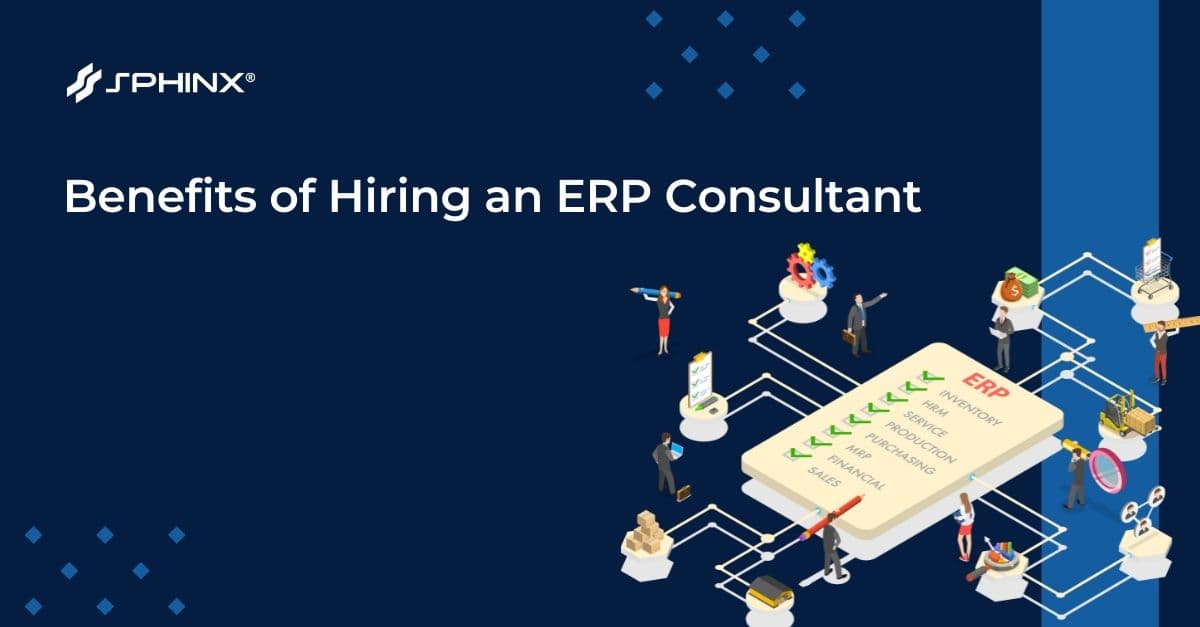
Benefits of Hiring an ERP Consultant
What do organizations do when it comes to managing complex procedures and data? At this point, companies require the advice and solutions of an ERP specialist. An ERP consultant functions as a proficient technology solution-seeker, assisting businesses in making the most of their enterprise resource planning (ERP) systems.
This blog post will examine the advantages that consultants offer to companies as we enter into the realm of ERP consulting services.
1. Who are ERP consultants?
ERP software, which stands for Enterprise Resource Planning, as well as a complete and unified software system that streamlines and optimizes business processes throughout the firm. It serves as the foundation of contemporary companies, offering a single platform for the management of numerous departments, including manufacturing, sales, human resources, and so on.
ERP consultants collaborate with customers’ thoughts and perspectives to discover situations where ERP might increase efficiency and productivity. They also offer professional advice and assist clients in making decisions regarding planning.
2. What services do ERP consulting firms offer?
For firms that depend on the software to manage their regular operations and strategy, the ERP consultant’s main responsibilities will be to set up and upkeep systems for enterprise resource planning. To ascertain the system’s demands, create and suggest solutions, set up software, and educate staff, they will conduct system analyses and engage closely with clients and administration.
The following are some of the functions and obligations of an ERP consultant:
2.1. System Analysis
The consultant will assess the business procedures of companies without an ERP system, collect the required information for the software’s implementation, and make sure the program functions well with the company. When an ERP consultant is hired by a company that already has an ERP system in place, their initial task is to assess the system to determine its advantages and disadvantages before coming up with optimization strategies.
2.2. Training and assistance for users
Following the software program and solution implementation, consultants must instruct employees on how to implement it most efficiently. Without this crucial ability, individuals on your team would not have known how to operate the program, costing your company money and effort.
2.3. Technical support and upgrades
The ERP consultant will be in charge of doing regular checkups on the ERP system, as well as implementing new updates and error checks. The duties will also include data transfer and establishing a system.
2.4. Project creation and delivery
The ERP consultant will make arrangements with other company divisions to guarantee that any improvements to the system satisfy their requirements. Following that, they will put up a performance to make sure the pertinent corporate management is aware of what has been accomplished.
3. What are the benefits of an ERP consultant?
ERP implementation experts are well-versed in every aspect of the product, including its advantages and potential drawbacks. For your particular scenario, an ERP consultant may assist in determining the ERP product’s advantages and disadvantages as well as offer recommendations for adaptations that you might not have even considered.
Here are a few advantages that consultants offer to companies:
3.1. Perspectives on the market and industry
The ERP experts will be well aware of the difficulties faced by that industry if they have a specific area of expertise. In addition, they possess the necessary experience to help you achieve and may draw on past examples and methods. You may get data from surveys, insights into the industry, and actionable advice from a specialist ERP expert.
3.2. Enhancing knowledge in implementing and optimizing ERP system
Consultants are well-versed in every aspect of your selected ERP solution, from conventional functionality to highly specialized ones. They will lead members through a software presentation so that, when you work with them, you are aware of all the advantages of the program and how it may address existing issues in your workflow. In this manner, you may decide what’s ideal for your business’s requirements.
3.3. Project management skills
An ERP consultant will make sure you achieve all of your objectives on time and develop an appropriate and reasonable financial plan. They provide a seamless administration of project processes. They will maintain the progress of your project by adhering to a technique that they have developed through their expertise in supporting your team during this demanding endeavor.
3.4. Save time and money
There are several ways that ERP consultants could help save businesses both time and money. Through increased productivity and streamlined procedures, they provide long-term company optimization.
3.5. Support after implementation
The consultant stays in contact with the customer long after the assignment is finished. They confirm the success of your deployment and offer assistance to your group to minimize any possible setbacks and anxiety. They guarantee that your staff members have received the necessary ERP training.
Conclusion
A seasoned consultant is the greatest choice if you want to establish an ERP project because of the numerous advantages of scale. ERP installation will set you up for long-term as well as short-term achievement.
Sphinx is one of Vietnam’s top consultants and suppliers of technological software solutions; as a dependable partner, it can assist you in overcoming obstacles in your company.