6 AI Trends Shaping the Future of Hotels in 2026
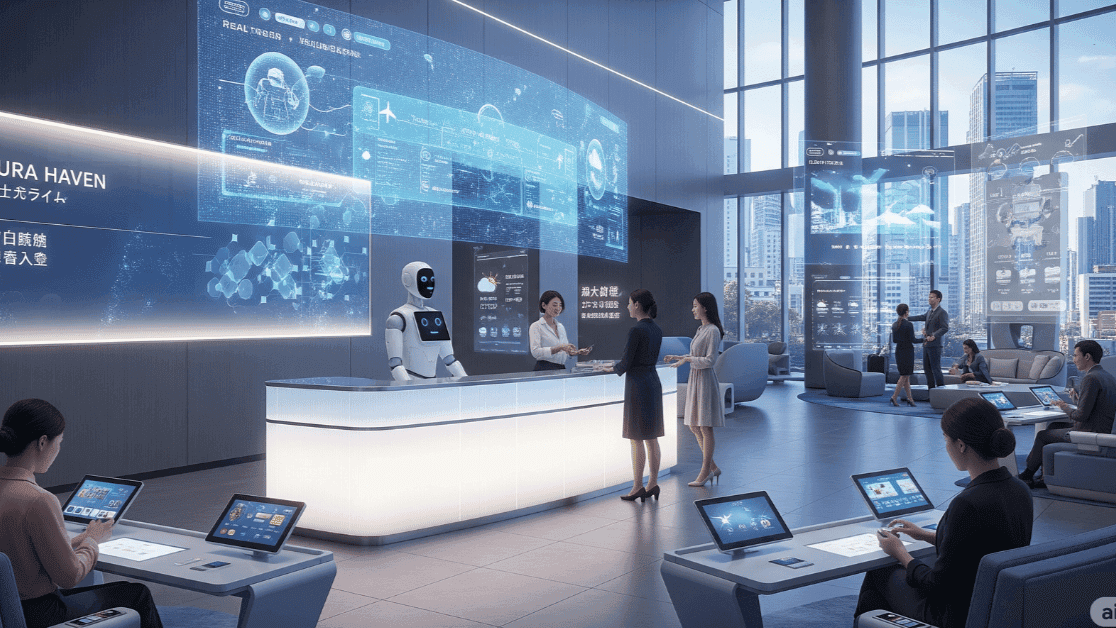
Artificial intelligence is no longer just a supporting technology for hotels. In 2026, AI is becoming a strategic business capability that helps hotels attract more direct bookings, improve operational efficiency, personalize guest experiences, and strengthen long-term competitiveness. Rather than replacing hospitality professionals, AI enables hotel teams to automate repetitive tasks while dedicating more time to meaningful guest interactions.
From AI-powered travel discovery and instant guest communication to energy optimization and responsible AI governance, hotels are adopting intelligent technologies to solve real business challenges. The following trends highlight how AI is reshaping the hospitality industry and why hotel leaders should prepare for the next stage of digital transformation.
AI Is Transforming How Guests Discover Hotels
The way travelers search for hotels is changing rapidly. Instead of browsing dozens of websites or comparing endless booking pages, more travelers now rely on AI assistants to recommend accommodations based on their individual preferences.
Rather than entering simple search terms, travelers ask conversational questions such as:
- Which hotel is best for a family vacation in Bali?
- Recommend luxury hotels near the Eiffel Tower with a spa.
- Which business hotel offers the fastest Wi-Fi and flexible check-in?
AI search platforms analyze information from hotel websites, online reviews, pricing, amenities, travel guides, and guest feedback to generate personalized recommendations instead of displaying a list of links.
This shift represents one of the biggest changes in hotel digital marketing. Traditional search engine optimization remains important, but hotels must now ensure their content is also understandable and trustworthy for AI systems.
How Hotels Can Improve AI Visibility
Hotels that appear more frequently in AI-generated recommendations typically focus on creating structured, accurate, and comprehensive digital content.
Key optimization strategies include:
- Publishing detailed room and property descriptions
- Maintaining updated FAQs
- Using descriptive image metadata
- Providing accurate information about amenities and services
- Keeping pricing and availability consistent across booking channels
- Updating website content regularly
Well-structured content gives AI systems greater confidence when recommending a property to potential guests.
Hotels should also invest in high-quality content that answers common traveler questions before they are asked. Destination guides, neighborhood information, transportation details, and local recommendations all help AI understand the hotel’s value proposition while improving the guest’s research experience.
As AI-powered search continues to grow, visibility will increasingly depend on content quality rather than simply ranking for keywords.
Guests Now Expect Instant and Accurate Communication
Guest expectations have evolved significantly over the past few years. Travelers now expect immediate answers regardless of the time of day or communication channel.
Waiting several hours for an email response can result in lost bookings and lower guest satisfaction. Whether someone wants to confirm check-in times, request airport transportation, ask about pet policies, or reserve a restaurant table, they expect fast and reliable assistance.
AI-powered guest communication platforms allow hotels to manage conversations across multiple channels from a single system, including:
- Website live chat
- SMS
- Facebook Messenger
- Voice assistants
- Mobile applications
Instead of forcing guests to wait for staff availability, AI can instantly answer frequently asked questions, assist with reservations, recommend hotel services, and route more complex requests to human employees.
Why Faster Communication Matters
Speed has become a competitive advantage in hospitality.
Hotels that respond within seconds are more likely to convert inquiries into bookings than those requiring guests to wait for manual replies.
AI helps hotels:
- Reduce response times from hours to seconds
- Deliver consistent information across every communication channel
- Support guests in multiple languages
- Operate around the clock without increasing staffing costs
- Improve guest satisfaction before arrival
More importantly, AI allows hotel employees to focus on conversations that require empathy, problem solving, and personalized service instead of answering repetitive questions throughout the day.
The combination of intelligent automation and human hospitality creates a smoother guest journey while reducing operational pressure on front desk teams.
AI Is Making Hotel Energy Management Smarter
Rising utility costs and growing sustainability expectations have made energy efficiency a strategic priority for hotels. Instead of relying on fixed schedules, AI-powered building management systems continuously analyze real-time operational data to optimize energy usage without compromising guest comfort.
Modern AI platforms collect data from multiple sources, including:
- Occupancy sensors
- HVAC systems
- Weather forecasts
- Room reservations
- Historical energy consumption
- Smart building devices
Using predictive analytics, AI automatically adjusts heating, cooling, lighting, and ventilation based on actual occupancy and environmental conditions. This helps hotels reduce unnecessary energy consumption while maintaining a consistent guest experience.
Benefits of AI-Powered Energy Management
Hotels adopting AI-driven energy optimization can achieve:
- Lower electricity and HVAC operating costs
- Improved room comfort
- Reduced carbon emissions
- Better sustainability reporting
- Greater visibility across multiple properties
AI also enables predictive maintenance by identifying equipment issues before failures occur. Maintenance teams can schedule repairs proactively, reducing unexpected downtime, extending equipment lifespan, and minimizing disruptions to guests.
As sustainability becomes an increasingly important factor for both regulators and travelers, AI-powered energy management is evolving from a cost-saving initiative into a long-term competitive advantage.
AI Is Bringing Intelligence to Food Waste Management
Food waste remains one of the largest hidden operational expenses for hotels, particularly those operating restaurants, banquet facilities, and buffet services. Overproduction, inaccurate demand forecasting, and inefficient inventory management often result in unnecessary costs while increasing environmental impact.
Traditional food planning has largely relied on historical averages and manual estimates. Although experienced kitchen teams can make educated decisions, predicting guest demand accurately becomes increasingly difficult during seasonal fluctuations, special events, or unexpected booking changes.
Artificial intelligence is transforming this process by combining multiple data sources to generate more accurate forecasts and operational insights.
Modern AI food management platforms analyze:
- Historical guest consumption
- Property occupancy forecasts
- Restaurant reservations
- Point of sale transactions
- Inventory levels
- Weather conditions
- Local events and holidays
By continuously analyzing these datasets, AI can predict future demand with far greater accuracy than traditional planning methods.
How AI Helps Hotels Reduce Food Waste
Instead of simply reporting waste after it occurs, AI enables hotels to prevent waste before it happens.
Hotels can use AI to:
- Forecast guest demand more accurately
- Recommend optimal purchasing quantities
- Monitor buffet consumption in real time
- Identify menu items that are frequently discarded
- Optimize food preparation schedules
- Improve inventory rotation and stock management
Computer vision technology is also becoming increasingly common in hotel kitchens. AI-powered cameras can automatically identify discarded food, classify waste by category, and generate reports that highlight opportunities for improvement.
These insights help chefs refine menus, adjust portion sizes, and improve production planning without compromising the guest experience.
Supporting Sustainability and Profitability
Reducing food waste is no longer just an environmental initiative. It is also a practical business strategy.
Lower waste means lower purchasing costs, reduced disposal expenses, and improved profit margins. At the same time, hotels can strengthen their sustainability credentials by reducing carbon emissions associated with food production and waste.
As more travelers consider environmental responsibility when choosing accommodations, AI-powered food waste management supports both operational efficiency and brand reputation.
AI Is Expanding Access to Better Guest Experiences
Creating exceptional guest experiences means ensuring every traveler feels comfortable, welcomed, and supported throughout their stay. Accessibility has therefore become an increasingly important priority for hotel brands around the world.
Artificial intelligence is helping hotels move beyond basic accessibility compliance by delivering more personalized and inclusive experiences for guests with diverse needs.
Rather than offering a one-size-fits-all service, AI can adapt communication and hotel services according to each guest’s preferences.
Examples include:
- Real-time speech-to-text transcription
- AI-powered multilingual translation
- Voice-controlled smart room features
- Navigation assistance for visually impaired guests
- Personalized communication based on accessibility preferences
These technologies reduce communication barriers while allowing guests to interact with hotel services more independently.
Why Accessibility Creates Business Value
Accessible hospitality benefits both guests and hotel operators.
Hotels investing in AI-powered accessibility solutions can:
- Welcome a wider range of travelers
- Improve guest satisfaction and loyalty
- Reduce misunderstandings during communication
- Enhance service consistency
- Strengthen brand reputation
- Support diversity and inclusion initiatives
AI also helps staff provide better service by making information easier to understand across different languages and communication styles.
As AI technologies become more affordable and easier to integrate with existing property management systems, accessibility is expected to become a standard feature rather than a premium offering.
Hotels that embrace inclusive technology today will be better positioned to meet evolving guest expectations in the years ahead.
Responsible AI Is Becoming a Competitive Advantage
As AI becomes deeply integrated into hotel operations, travelers are paying closer attention to how hotels use artificial intelligence rather than simply whether they use it.
Guests increasingly expect transparency, privacy protection, and responsible decision making whenever AI is involved in their experience.
Whether AI is recommending rooms, responding to inquiries, or analyzing guest preferences, hotels must ensure the technology operates fairly, securely, and accurately.
Trust is becoming just as important as innovation.
Building Guest Trust Through Responsible AI
Leading hotel brands are adopting responsible AI principles that balance automation with human oversight.
Best practices include:
- Clearly informing guests when they are interacting with AI
- Protecting customer data through robust cybersecurity measures
- Limiting access to sensitive guest information
- Maintaining human review for important decisions
- Regularly monitoring AI performance for accuracy
- Continuously updating AI models to reduce errors and bias
Hotels should also establish clear internal policies governing how AI is used across departments, ensuring employees understand when automation is appropriate and when human judgment is essential.
Why Responsible AI Matters
Responsible AI is more than regulatory compliance.
Guests are increasingly willing to share personal preferences if they believe hotels will use that information responsibly to improve their experience.
Hotels that demonstrate transparency and accountability are more likely to earn guest confidence, encourage repeat bookings, and strengthen long-term customer relationships.
As AI adoption accelerates across the hospitality industry, trust will become one of the strongest competitive differentiators.
Final Thoughts
AI is becoming a core part of how hotels attract guests, improve operations, and deliver better experiences. The trends shaping 2026 show that the industry’s focus is shifting from experimenting with AI to using it in practical ways that drive efficiency, support sustainability, and create more personalized guest journeys.
Hotels that succeed will not simply adopt more AI tools. They will use AI strategically, combining intelligent technology with human hospitality to deliver lasting value for both guests and the business.