17 Mobile App Development Trends To Watch In 2025
The world of mobile app development is constantly evolving, driven by emerging technologies and consumer expectations. As we move into 2025, these trends will shape the future of mobile applications, influencing everything from user experiences to the functionality of apps themselves.
Here are 17 trends to watch for in the mobile app development landscape in 2025 in this blog.
1. Artificial Intelligence (AI) and Machine Learning (ML)
AI and ML continue to revolutionize mobile app development by enabling smarter, more personalized experiences. Apps will increasingly use AI and ML to analyze user behavior, predict preferences, and deliver tailored content. Voice recognition, AI-powered assistants, and chatbots will also become more intuitive, providing real-time solutions and customer service.

2. Apps for Foldable Devices
Foldable devices are gaining traction, and as more people adopt them, there will be a rise in apps designed specifically for these unique screen formats. Mobile app developers will need to optimize interfaces and user experiences to accommodate foldable screens, offering seamless transitions between the unfolded and folded states.
3. 5G Technology
With the global rollout of 5G, mobile apps can now offer faster internet speeds and more reliable connections. This will enhance app performance, reduce latency, and improve user experiences, particularly for data-heavy apps like gaming, streaming, and virtual reality.
Read more: How dramatically will 5G and retail payments transform?
4. Augmented Reality (AR) and Virtual Reality (VR)
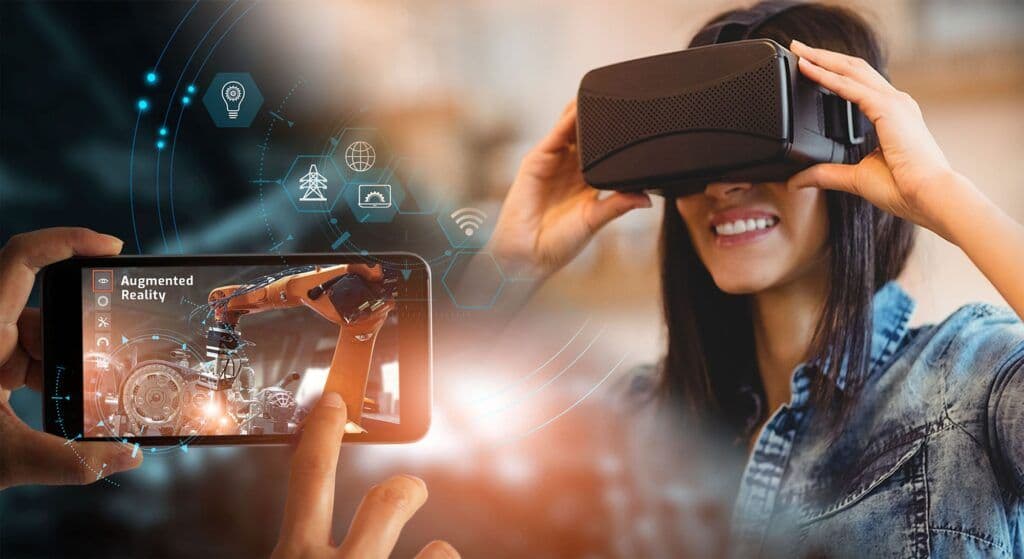
AR and VR have moved from being experimental to mainstream technologies in mobile app development. Expect to see more immersive experiences, especially in gaming, retail, and education. AR will enhance shopping experiences by allowing users to try products virtually, while VR will create fully immersive environments for training, entertainment, and remote collaboration.
5. Beacon Technology
Beacon technology uses Bluetooth to provide real-time, location-based information to users. In 2025, more businesses will integrate beacons into their apps for personalized experiences in retail, events, and tourism, such as sending promotional messages, offers, or updates when users are nearby.
6. Cross-Platform Mobile Development
As businesses seek to reach users across multiple platforms without increasing development costs, cross-platform mobile development tools like Flutter and React Native will become more popular. This trend will allow developers to build apps for iOS, Android, and the web with a single codebase.
7. Internet of Things (IoT) App Integration
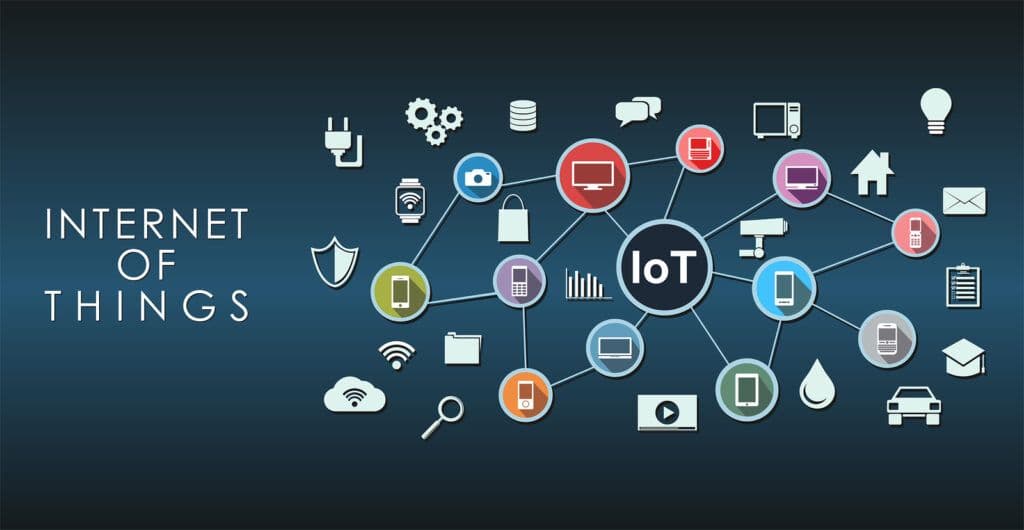
IoT development continues to connect everyday devices to the internet, and mobile apps are key to managing these devices. From smart homes to healthcare, IoT-enabled mobile apps will allow users to monitor and control connected devices remotely, opening up new possibilities for automation and data collection.
8. Low Code/No Code Development
Low code/no code platforms are democratizing app development, allowing individuals with limited technical expertise to create and deploy apps. By 2025, expect to see a surge in citizen developers who can use these platforms to build custom apps for businesses, reducing time-to-market and development costs.
9. Chatbots
Chatbots powered by AI will be more advanced, offering human-like interactions in customer service, healthcare, finance, and e-commerce apps. They will understand context, engage in complex conversations, and automate a variety of tasks, reducing the need for human intervention and enhancing user satisfaction.
10. Cloud Computing Integration
Cloud computing enables apps to store and process data on remote servers, making them more efficient and scalable. In 2025, mobile apps will increasingly integrate with cloud platforms, offering better synchronization across devices, more storage options, and the ability to scale services as needed.
11. Mobile Wallets and Mobile Payments
With the rise of digital wallets and mobile payments, apps will continue to integrate secure, fast, and convenient payment solutions. Expect mobile wallets to include not only payment options but also loyalty cards, digital IDs, and secure authentication methods like biometrics.

12. Touchless UI
Touchless user interfaces (UI) use sensors, cameras, and voice recognition to allow users to interact with apps without touching their devices. This technology will become more widespread in 2025, especially in applications for healthcare, retail, and smart homes, where hygiene and convenience are key concerns.
13. Wearable Technology
Wearable devices such as smartwatches and fitness trackers are becoming integral parts of the tech ecosystem. Mobile apps will increasingly be designed to interact seamlessly with these devices, offering health monitoring, notifications, and even mobile payments directly from wearables.
14. On-Demand Apps
On-demand services have exploded in popularity, and this trend will only continue to grow in 2025. Mobile apps that provide services like food delivery, ride-hailing, home services, and freelance work will become more sophisticated, offering real-time updates, seamless payments, and improved user experiences.
15. Predictive Analytics
Mobile apps will leverage predictive analytics to forecast trends, behaviors, and preferences. By analyzing user data, apps can make recommendations, offer personalized content, and even predict when users might need certain products or services, enhancing customer satisfaction and engagement.
16. Mobile App Security
With cyber threats on the rise, mobile app security will remain a top priority in 2025. App developers will integrate advanced security features like biometric authentication, encryption, and multi-factor authentication to protect user data and ensure privacy. As regulations around data security become stricter, compliance with standards like GDPR will be critical.
17. Instant Apps
Instant apps provide users with a streamlined experience by allowing them to try apps before downloading them. These apps load quickly and offer limited functionality without requiring installation, making them ideal for users who want a quick, low-commitment interaction with a service. In 2025, expect more apps to offer this feature to enhance user acquisition and engagement.
Read more: Top 5 Mobile App Development App Trends
Final Thoughts
As we look ahead to 2025, mobile app development will continue to be influenced by technological advancements and the need for more personalized, secure, and immersive experiences. Whether it’s through AI-powered interactions, faster connections with 5G, or the integration of IoT and wearables, these trends are shaping the way we interact with mobile apps.
At Sphinx JSC, we are committed to staying ahead of these developments, ensuring that our mobile app solutions incorporate the latest technologies to provide innovative and efficient services. By embracing these trends, we aim to help businesses enhance user engagement, improve performance, and remain competitive in an ever-evolving digital landscape.