



As global businesses navigate economic uncertainty and rapid technological change, outsourcing continues to play a critical role in enabling scalable, cost-efficient growth. Outsourcing Trends 2026: Key Insights for Growth explores how evolving delivery models, rising demand for specialized expertise, and the increasing focus on outcome-driven partnerships are shaping outsourcing strategies in the year ahead.
Sphinx will help you explore key IT outsourcing trends, understand their business impact, and apply them effectively to support sustainable growth and long-term competitiveness.
Executive Overview: IT Outsourcing Trends 2025
As enterprises continue to prioritize agility, scalability, and digital acceleration, IT outsourcing has evolved into a core component of modern IT strategy rather than a cost-driven alternative. The broader outsourcing market provides important context for understanding why IT outsourcing remains resilient and continues to expand across industries.
According to Global Growth Insights, the global IT outsourcing market reached approximately USD 370 billion in 2024 and is projected to grow steadily into 2025 and beyond, reflecting sustained enterprise demand for outsourced development, cloud management, cybersecurity, and digital transformation services. This growth trajectory, reinforced by forecasts cited by Business Research Insights, indicates a structurally mature market with consistent expansion toward the end of the decade.
IT outsourcing covers areas such as IT operations, application services, and hosting, allowing enterprises to reduce internal costs and focus on core business activities. According to industry analyses cited by Statista, IT outsourcing is the largest revenue-contributing segment within the global IT services market. In parallel, the global technology consulting market is projected to exceed USD 400 billion by 2026, driven by large-scale modernization initiatives, cloud adoption, and AI-enabled transformation. Combined, these trends are expected to push the broader IT services and outsourcing market toward over USD 800 billion by 2029, highlighting the continued expansion of outsourcing as a cost-efficient and strategic delivery model.
Keys IT Outsourcing Trends You Need to Know for 2026
As organizations prepare for 2026, outsourcing strategies are increasingly shaped by emerging technologies, evolving delivery models, and a stronger focus on agility, security, and efficiency.
Driving Software Innovation with AI and Automation
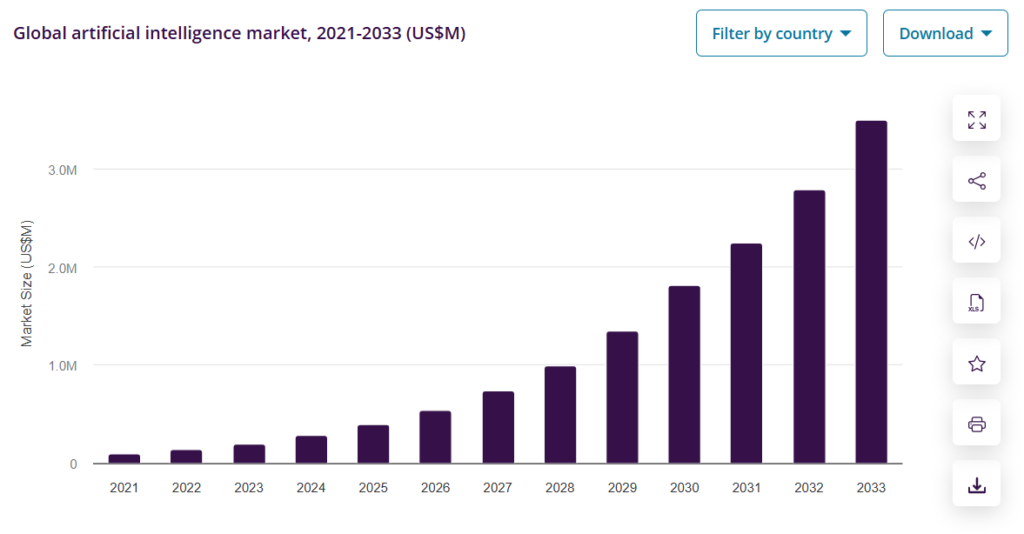
The AI software development market is expanding rapidly, with global revenue projected to reach approximately USD 1.8 trillion by 2030. As AI and machine learning technologies increasingly automate coding, testing, and development workflows, many organizations are turning to AI outsourcing to accelerate delivery and reduce internal R&D costs, especially amid a shortage of experienced AI talent.
Best Practices:
- Partner with vendors that demonstrate proven AI and ML expertise and a strong delivery track record.
- Validate experience through similar project references and certified specialists.
- Ensure adherence to best practices in data quality, security, and privacy.
- Require robust testing, governance, and documentation throughout the development lifecycle.
Cloud Computing
The cloud computing market continues to expand at a strong pace, with global spending expected to grow from USD 1.1 trillion in 2024 to over USD 2.2 trillion by 2030. This rapid growth positions cloud computing as one of the most influential drivers shaping IT outsourcing strategies in the coming years.
Cloud-based models enable on-demand access to systems and data while supporting scalable architectures across public, private, and serverless environments. As cloud migration from legacy infrastructure remains complex, many organizations outsource cloud management to reduce costs, mitigate risks, and allow internal teams to focus on growth and innovation.
Best Practices:
- Select partners with proven experience delivering cloud services at scale.
- Work with providers that support multiple cloud environments to maintain flexibility.
- Ensure the partner offers end-to-end cloud migration capabilities, including assessment, transition, and continuous optimization.
Cybersecurity as a Strategic Priority
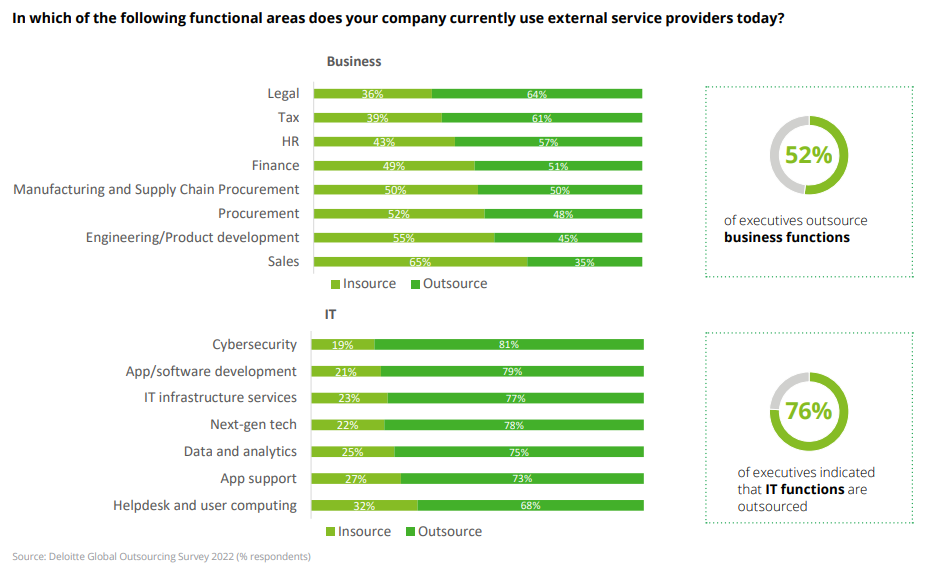
Cybersecurity has become a critical concern as cyber threats continue to escalate worldwide. The rapid rise in attacks has pushed organizations to rethink how they protect sensitive data and digital infrastructure. In the United States alone, 76% of state governments outsourced cybersecurity operations in 2024, a sharp increase from 52% in 2022, signaling a strong shift toward external security expertise.
To strengthen defenses and meet regulatory requirements, many organizations turn to specialized cybersecurity outsourcing services that provide advanced capabilities such as threat monitoring, vulnerability assessment, penetration testing, and managed detection and response (MDR).
By relying on dedicated security experts, businesses gain access to the latest tools, 24/7 monitoring, and proven security frameworks, enabling faster incident response while reducing internal workload and overall security management costs.
Best Practices:
- Work with partners that continuously adapt to emerging threats and security standards.
- Choose providers offering end-to-end security coverage, from threat detection and prevention to incident response and recovery.
Refocusing on Core Competencies
Maximizing revenue increasingly requires organizations to allocate internal resources toward activities that directly create business value. By outsourcing non-core IT functions, companies enable internal teams to concentrate on product innovation, service quality, and customer experience, ultimately supporting stronger financial performance.
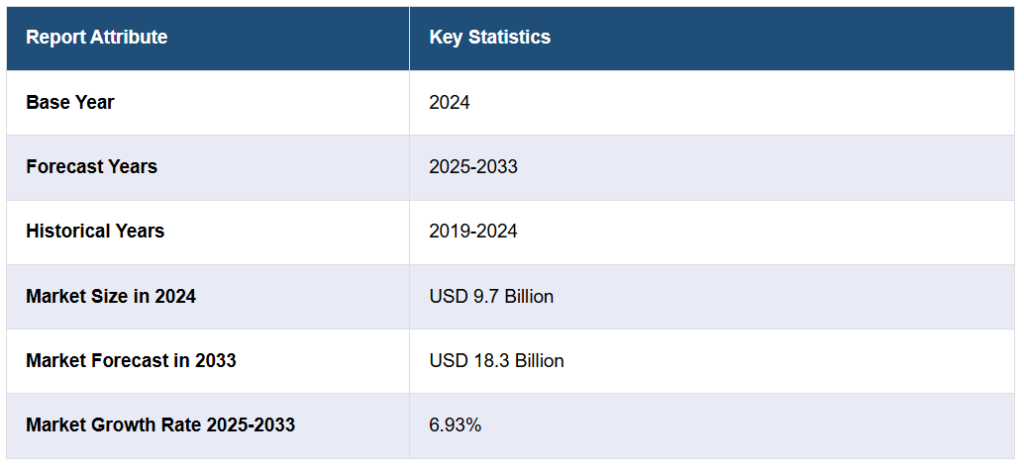
External providers increasingly handle customer support, cloud operations, and cybersecurity, a trend underscored by strong market growth. The global help desk outsourcing market reached USD 9.7 billion in 2024 and is expected to nearly double to USD 18.3 billion by 2033, with a CAGR of 6.93%.
Best Practices
- Work with providers that demonstrate strong expertise across multiple platforms.
- Choose teams with certified specialists and proven experience in cross-platform application development.
Platform-Independent Application Development
The demand for platform-independent application development continues to accelerate, with the global cross-platform development market projected to expand significantly over the next decade. Market forecasts indicate that the sector is expected to grow from approximately USD 15.7 billion in 2025 to over USD 42 billion by 2034, reflecting strong enterprise adoption across industries.
Modern frameworks such as React Native and Flutter enable cross-platform development from a single codebase, helping organizations reduce development time, lower engineering effort, and deliver consistent user experiences across devices. As a result, cross-platform development has become a key IT outsourcing focus, allowing businesses to accelerate delivery and control costs. Industries such as e-commerce, healthcare, and fintech increasingly adopt these solutions to ensure reliable performance and stronger user engagement.
Best Practices:
- Partner with providers that demonstrate strong expertise across multiple platforms and frameworks.
- Prioritize outsourcing teams with proven experience and certified specialists in platform-independent application development.
Embracing Remote-First Delivery Models
IT outsourcing accelerated rapidly after the COVID-19 pandemic, with up to 80% of technology companies shifting to outsourced IT services to support remote operations and maintain business continuity.
To enable this transition, organizations relied on secure remote access (VPNs), cloud-based collaboration tools, and remote help desk services to ensure continuous communication, fast technical support, and minimal downtime. Outsourcing providers responded by offering flexible, customized service models and 24/7 global support, allowing businesses to work efficiently with distributed teams and accelerate development timelines.
Best Practices
- Choose IT partners with secure and scalable remote work platforms.
- Use integrated tools for communication, collaboration, and project management.
- Apply strong security controls to protect remote data access.
- Ensure continuous support and training for remote teams.
Data-Driven Decision-Making in Software Development
Analyzing performance and cost data helps organizations identify trends and make more informed strategic decisions. AI-driven predictive analytics supports this process by forecasting risks and controlling costs before issues arise. Notably, 78% of executives believe AI-enabled workers will redefine how work is performed, reinforcing AI’s growing role in outsourcing strategies.
Choosing the right outsourcing partner is equally critical. Vendors should be evaluated based on measurable performance indicators, service quality, and delivery timelines. Organizations increasingly prioritize partners that leverage advanced analytics, AI-powered automation, and transparent data reporting to ensure consistent performance and long-term value.
Best practices:
- Select providers that use advanced data analytics to track and improve performance.
- Ensure partners offer AI-powered automation to enhance decision-making.
- Prioritize transparent data reporting and strong security standards.
RPA for Workflow Automation
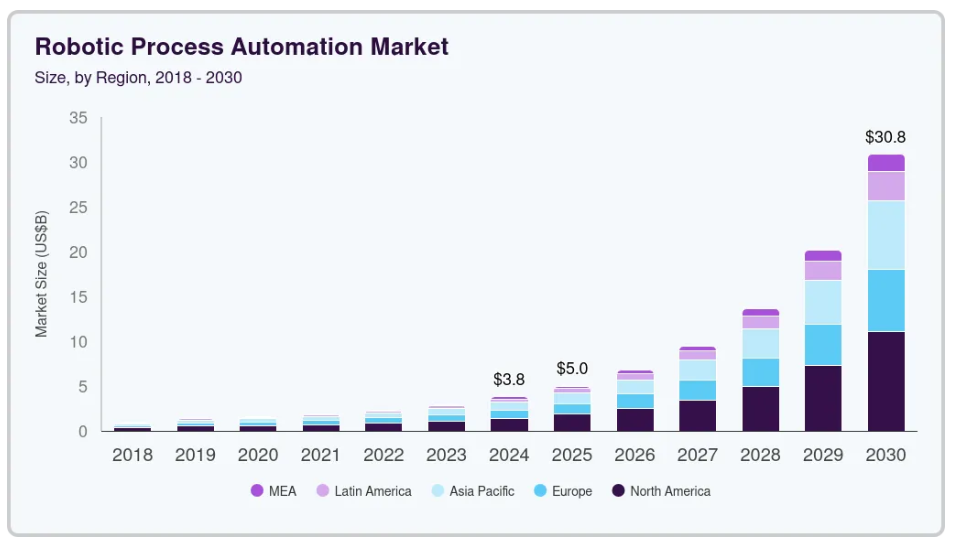
Robotic Process Automation (RPA) is gaining strong momentum within the software development outsourcing landscape. In 2024, the global RPA market was valued at approximately USD 3.79 billion, and projections indicate rapid expansion toward USD 30 billion by 2030, supported by an exceptionally high annual growth rate beginning in 2025.
RPA automates repetitive, rule-based tasks using software bots that replicate human actions across digital systems, helping organizations improve efficiency and consistency without disrupting existing workflows. By outsourcing RPA to specialized providers instead of building in-house teams, businesses can access experienced automation experts, reduce staffing and training costs, accelerate implementation, and ensure ongoing support.
Best practices:
- Choose partners that apply advanced analytics to monitor performance and outcomes.
- Ensure the provider integrates AI-driven automation capabilities to enhance decision-making.
- Confirm transparency in reporting processes and strict compliance with data security standards.
Low-Code and No-Code for Faster Delivery
Low-code and no-code platforms are rapidly gaining traction in IT outsourcing, emerging as key trends in software development. For example, nearly 41% of U.S. companies leverage low-code tools to build applications, enabling them to create functional apps with minimal manual coding. This approach helps accelerate project timelines while keeping development costs lower.
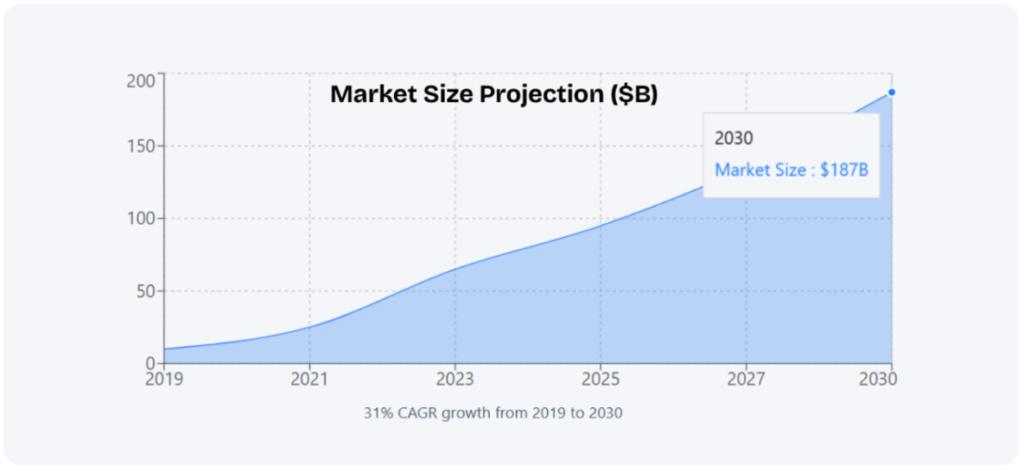
Low-code and no-code platforms reduce reliance on specialized developers and free up internal IT resources, while supporting the integration of custom features to enhance app performance across platforms. Partnering with experienced outsourcing providers allows expert teams to efficiently tailor solutions, implement best practices, and accelerate delivery, ensuring higher-quality results without overburdening in-house staff.
Best Practices:
- Collaborate with a skilled outsourcing partner to maximize the benefits of low-code and no-code solutions.
- Prioritize security and regulatory compliance. Despite their speed and flexibility, low-code/no-code platforms can introduce potential security vulnerabilities if not properly managed.
XR in Technology Outsourcing Trends
XR, or Extended Reality, blends virtual, augmented, and mixed reality to create fully immersive digital experiences. Across industries, this technology is seeing rapid adoption. In healthcare, XR supports better patient treatment, while in retail, it enables virtual product try-ons and enhanced shopping experiences. According to market data, the global XR market reached USD 24.17 billion in 2024 and, growing at a projected 28.4% CAGR, could expand to around USD 139.07 billion by 2031.
By merging the physical and digital environments, XR boosts user engagement and improves decision-making. Customers can better understand product fit or experience services before committing, increasing satisfaction and confidence in their choices.
Best Practices:
- Collaborate with outsourcing teams that have proven XR expertise, especially given the relative novelty of the technology.
- Focus on designing seamless and intuitive experiences to maximize user adoption and enjoyment.
How Sphinx Can Be Your Trusted Partner
As IT outsourcing evolves in 2026, businesses need partners who deliver more than just operational support. Sphinx combines deep expertise in AI-augmented services, cloud computing, cybersecurity, managed services, and low-code/no-code development to help organizations reduce costs, accelerate digital transformation, and focus on core business priorities. Our flexible and outcome-driven approach ensures outsourcing engagements go beyond execution, creating measurable impact and long-term value.
스핑크스 focuses on user-centric design, data-driven decision-making, and seamless integration with client systems. The company helps businesses adopt emerging IT outsourcing trends, scale development teams, implement platform-independent applications, and deploy remote-ready solutions, acting as a strategic partner that drives growth, agility, and long-term competitive advantage.
Final Thoughts
The 10 IT outsourcing trends outlined above will define how businesses operate and compete in 2026. To fully capitalize on these opportunities, organizations must stay flexible and embrace emerging technologies. Partnering with trusted outsourcing providers can help turn challenges into growth. This approach drives efficiency and long-term strategic advantage.



CEO - Son Le
기타 블로그
블로그
Top AI Advantages in SDLC for Modernizing Legacy Systems
Legacy systems still power a large share of enterprise operations today, especially in industries like finance, manufacturing, healthcare, and government. However, maintaining and evolving these systems has become increasingly difficult as technology advances and business demands grow more complex. That is why legacy modernization is no longer just a technical...
자세히 보기블로그
Machine Learning in AI Automation: Unlocking Adaptive Intelligence
Automation today is no longer limited to executing predefined rules. As businesses operate in increasingly complex and data-rich environments, there is a growing need for systems that can make decisions, adapt to change, and continuously improve over time. Traditional automation alone cannot meet these demands, especially when dealing with unstructured...
자세히 보기블로그
NLP in AI Automation: A Complete Guide
Natural Language Processing is rapidly becoming a core driver of intelligent automation, enabling systems to understand, interpret, and respond to human language with increasing accuracy. As businesses continue to digitize operations and handle vast amounts of unstructured data, NLP bridges the gap between human communication and machine execution, making AI...
자세히 보기기타 블로그
서비스
IoT 개발
SphinX는 최첨단 IoT 개발 서비스를 제공하여 디바이스를 원활하게 연결하고 혁신적인 솔루션을 제공합니다.
테마서비스
블록체인 개발
우리는 신뢰할 수 있고 안전한 블록체인 기술을 처음부터 설계하는 데 매우 능숙하며, ...
테마서비스
ERP 및 CRM 개발
필요한 ERP & CRM 개발 서비스! 비즈니스 프로세스 간소화 및 조직 효율성 향상....
테마기타 블로그
서비스
IoT 개발
SphinX는 최첨단 IoT 개발 서비스를 제공하여 디바이스를 원활하게 연결하고 혁신적인 솔루션을 제공합니다.
테마서비스
블록체인 개발
우리는 신뢰할 수 있고 안전한 블록체인 기술을 처음부터 설계하는 데 매우 능숙하며, ...
테마서비스
ERP 및 CRM 개발
필요한 ERP & CRM 개발 서비스! 비즈니스 프로세스 간소화 및 조직 효율성 향상....
테마