


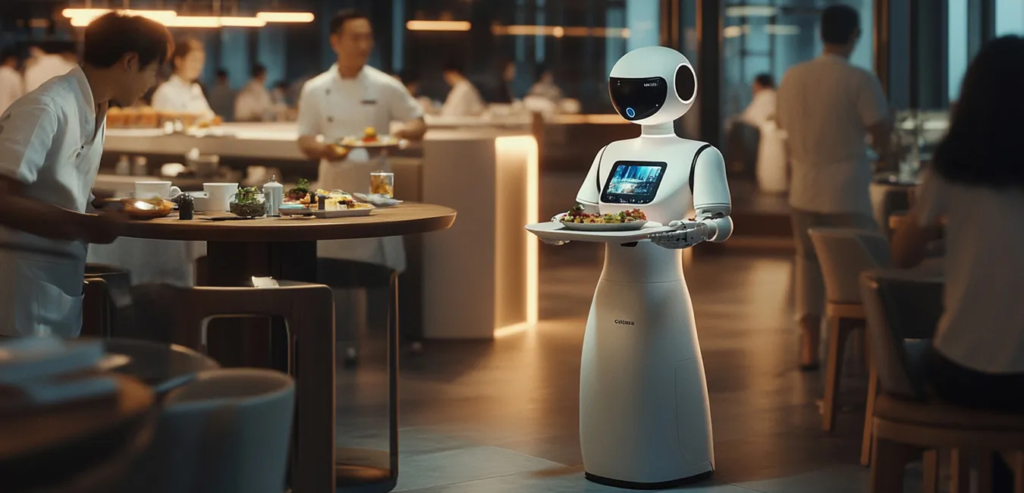
The hospitality industry is undergoing one of its biggest transformations in decades. As guest expectations continue to rise and operational costs increase, hotels are turning to Artificial Intelligence (AI) to stay competitive. From maximizing room revenue to delivering personalized guest experiences, AI is no longer a futuristic concept. It has become a strategic business tool.
Rather than replacing hotel staff, AI empowers teams to make smarter decisions, automate repetitive tasks, and focus on creating exceptional guest experiences. This article explores the key ways AI is transforming hotel operations and driving sustainable revenue growth.
AI-Powered Revenue Management: Maximizing Occupancy and Profitability
Revenue management has always been one of the most critical aspects of hotel operations. Traditional pricing strategies often rely on historical data and manual adjustments, making it difficult to react quickly to changing market conditions.
AI-powered revenue management systems continuously analyze large volumes of real-time data, including booking trends, competitor pricing, seasonal demand, local events, weather conditions, and customer behavior. Based on these insights, AI automatically recommends or adjusts room prices to maximize occupancy while optimizing revenue.
The benefits include:
- Dynamic pricing based on real-time market demand
- Higher occupancy rates without sacrificing profitability
- Faster pricing decisions with minimal manual intervention
- More accurate demand forecasting
Hotels using AI-driven pricing strategies can respond instantly to market changes and capture revenue opportunities that traditional methods often miss.
Automating Guest Service with AI Chatbots
Today’s travelers expect instant responses regardless of the time of day. Whether they want to check room availability, request early check-in, or ask about hotel amenities, guests prefer immediate assistance.
AI chatbots provide 24/7 customer support across websites, mobile apps, messaging platforms, and social media. They can handle thousands of conversations simultaneously without increasing staffing costs.
Common chatbot capabilities include:
- Answering frequently asked questions
- Managing reservations and booking modifications
- Providing check-in and check-out information
- Recommending hotel facilities and nearby attractions
- Escalating complex requests to human staff when necessary
By automating routine inquiries, hotel employees can spend more time delivering personalized hospitality where it matters most.
Personalizing the Guest Experience
Modern guests expect hotels to understand their preferences. AI enables hotels to move beyond generic service by analyzing customer data from previous stays, booking history, spending behavior, and communication preferences.
Using AI, hotels can deliver personalized experiences such as:
- Customized room recommendations
- Personalized promotions and special offers
- Dining suggestions based on guest preferences
- Tailored travel recommendations
- Automated pre-arrival and post-stay communications
Personalization not only improves guest satisfaction but also increases loyalty, repeat bookings, and upselling opportunities throughout the customer journey.
Optimizing Hotel Operations and Reducing Costs with AI Automation
Many hotel operations involve repetitive administrative tasks that consume valuable staff time. AI automation streamlines these processes while improving operational efficiency.
Hotels can automate tasks such as:
- Housekeeping scheduling
- Maintenance request management
- Staff shift planning
- Invoice processing
- Inventory monitoring
- Internal workflow approvals
AI also helps predict equipment maintenance before failures occur, reducing unexpected downtime and costly emergency repairs.
The result is lower operational expenses, improved productivity, and more efficient use of human resources.
AI for Marketing and Guest Behavior Analytics
Successful hotel marketing depends on understanding guest behavior. AI analyzes data across multiple channels to identify booking patterns, customer preferences, and campaign performance.
Marketing teams can leverage AI to:
- Segment audiences automatically
- Predict customer lifetime value
- Optimize email marketing campaigns
- Recommend personalized promotions
- Improve digital advertising performance
- Increase direct bookings through targeted offers
Instead of relying on assumptions, hotels can make data-driven marketing decisions that generate higher conversion rates and stronger returns on investment.
Forecasting Trends and Supporting Strategic Decision-Making
Beyond day-to-day operations, AI provides valuable insights for long-term business planning.
By continuously monitoring market trends, economic indicators, travel demand, competitor activity, and guest sentiment, AI helps hotel executives make informed strategic decisions.
Examples include:
- Forecasting seasonal demand
- Identifying emerging travel markets
- Planning staffing requirements
- Optimizing expansion strategies
- Evaluating investment opportunities
- Anticipating changes in guest expectations
Rather than reacting to market changes, hotel leaders can proactively prepare for future opportunities and risks.
자세히 보기 6 AI Trends Shaping the Future of Hotels in 2026
Conclusion
Artificial Intelligence is redefining how hotels operate, compete, and grow. From intelligent pricing and automated guest service to personalized experiences and predictive business insights, AI enables hotels to operate more efficiently while delivering exceptional customer experiences.
As the hospitality industry becomes increasingly competitive, adopting AI is no longer just an innovation initiative. It is a strategic investment in operational excellence, guest satisfaction, and long-term revenue growth.
Hotels that embrace AI today will be better positioned to adapt to changing traveler expectations, optimize resources, and unlock new opportunities for sustainable growth in the years ahead.



CEO - Son Le
기타 블로그
블로그
How AI Is Revolutionizing Hotel Operations and Revenue
The hospitality industry is undergoing one of its biggest transformations in decades. As guest expectations continue to rise and operational costs increase, hotels are turning to Artificial Intelligence (AI) to stay competitive. From maximizing room revenue to delivering personalized guest experiences, AI is no longer a futuristic concept. It has...
자세히 보기블로그
AI Chatbots in Hospitality: Drive Bookings & Better Service
The hospitality industry is rapidly embracing AI as guest expectations continue to evolve. Today’s travelers expect instant responses, personalized recommendations, and seamless communication throughout their booking journey. To meet these demands while improving operational efficiency, more hotels are turning to AI chatbots. Modern AI chatbots do far more than answer...
자세히 보기블로그
6 AI Trends Shaping the Future of Hotels in 2026
Artificial intelligence is no longer just a supporting technology for hotels. In 2026, AI is becoming a strategic business capability that helps hotels attract more direct bookings, improve operational efficiency, personalize guest experiences, and strengthen long-term competitiveness. Rather than replacing hospitality professionals, AI enables hotel teams to automate repetitive tasks...
자세히 보기기타 블로그
서비스
IoT 개발
SphinX는 최첨단 IoT 개발 서비스를 제공하여 디바이스를 원활하게 연결하고 혁신적인 솔루션을 제공합니다.
테마서비스
블록체인 개발
우리는 신뢰할 수 있고 안전한 블록체인 기술을 처음부터 설계하는 데 매우 능숙하며, ...
테마서비스
ERP 및 CRM 개발
필요한 ERP & CRM 개발 서비스! 비즈니스 프로세스 간소화 및 조직 효율성 향상....
테마기타 블로그
서비스
IoT 개발
SphinX는 최첨단 IoT 개발 서비스를 제공하여 디바이스를 원활하게 연결하고 혁신적인 솔루션을 제공합니다.
테마서비스
블록체인 개발
우리는 신뢰할 수 있고 안전한 블록체인 기술을 처음부터 설계하는 데 매우 능숙하며, ...
테마서비스
ERP 및 CRM 개발
필요한 ERP & CRM 개발 서비스! 비즈니스 프로세스 간소화 및 조직 효율성 향상....
테마