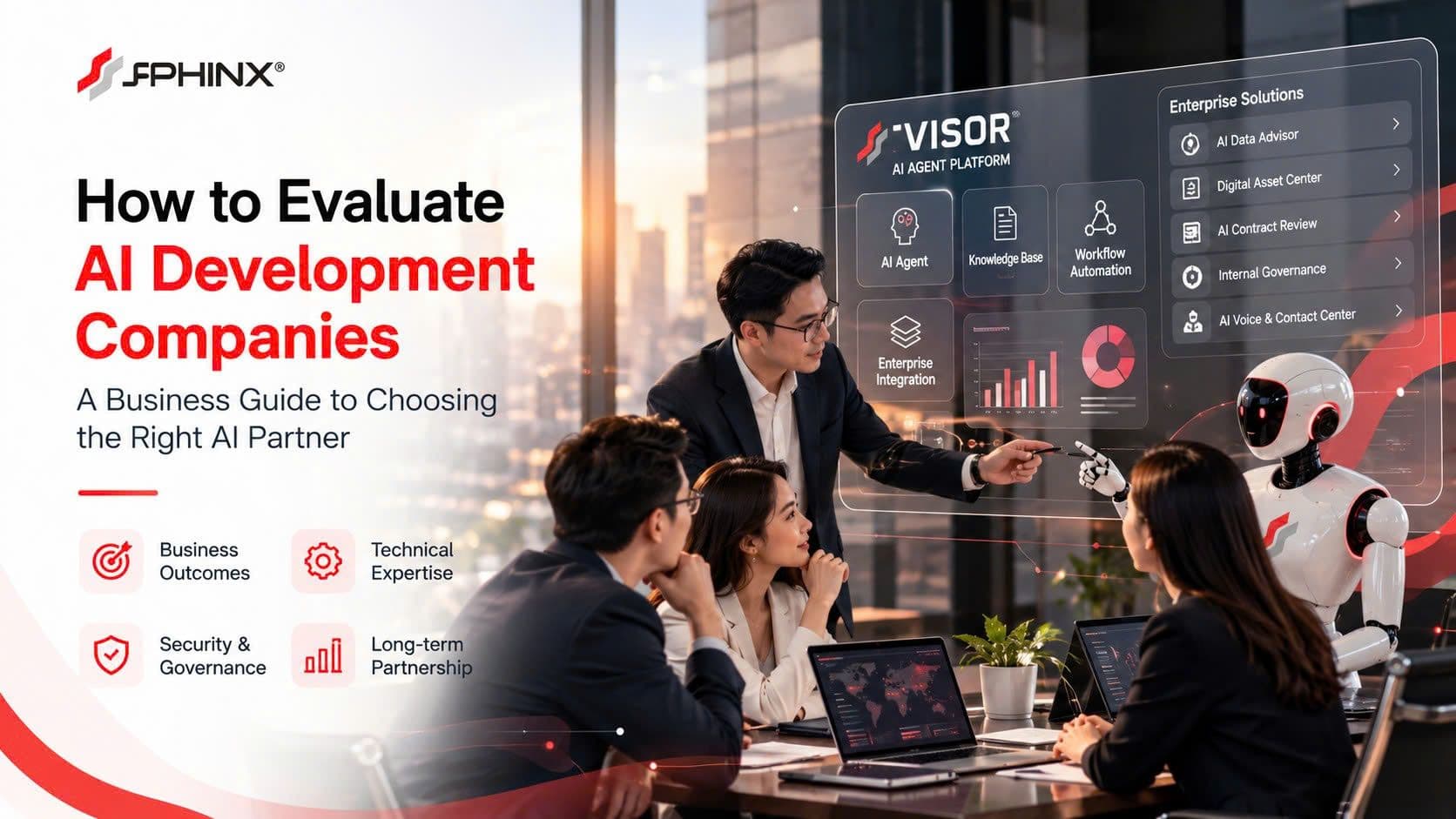
Top AI Trends 2025: Revolutionizing Industries and Business Growth

Artificial Intelligence (AI) is transforming industries at an unprecedented pace, driving innovation, efficiency, and business expansion. As AI continues to evolve, its impact on various sectors from finance and agriculture to education, entertainment, and construction will be more profound than ever.
In this blog, we explore the top AI trends shaping 2025 and how they are revolutionizing industries, enhancing productivity, and fueling business growth.
1. AI in Finance: Smarter Transactions, Enhanced Security, and Automation
The financial sector has always been an early adopter of AI, and by 2025, its role will be more crucial than ever in ensuring efficiency, security, and customer experience. Key AI-driven advancements include:
- Fraud Detection & Risk Management: AI-powered machine learning models analyze millions of transactions in real time to detect fraudulent activities, identify anomalies, and prevent cyber threats. These systems continuously learn from new data, making them more effective over time.
- AI-Powered Chatbots & Virtual Assistants: Banks and financial institutions are deploying AI-driven chatbots that provide 24/7 customer support, assisting with queries, transaction processing, and account management. These bots are highly conversational and context-aware, reducing the need for human intervention.
- Automated Trading & Investment Management: AI algorithms process vast amounts of market data, news sentiment, and historical trends to make informed, real-time trading decisions. Robo-advisors are expected to become even more sophisticated, providing highly personalized investment strategies with minimal human intervention.
- AI-Based Credit Scoring & Loan Approvals: AI analyzes consumer financial behavior, spending patterns, and creditworthiness to generate accurate credit scores, eliminating bias and improving access to financial services.
Future Impact: AI will enhance security, optimize financial decision-making, and create a more personalized customer experience, making finance faster, safer, and more accessible.
2. AI in Agriculture: Smart Farming for Higher Yields and Sustainability
AI is revolutionizing agriculture by reducing resource wastage, increasing productivity, and ensuring food security. By 2025, AI-powered farming technologies will help address global food challenges through:
- Precision Farming: AI-powered drones, satellite imaging, and IoT sensors collect real-time data on soil health, crop growth, and weather conditions. This helps farmers make informed decisions on irrigation, fertilization, and harvesting.
- Automated Pest and Disease Detection: AI-driven image recognition and deep learning models can identify crop diseases, nutrient deficiencies, and pest infestations at early stages, allowing timely intervention and reducing crop losses.
- Smart Irrigation & Water Management: AI-powered irrigation systems use predictive analytics to optimize water distribution, reducing water wastage while ensuring crops get the right amount of hydration.
- Autonomous Farming Equipment: AI-driven self-operating tractors, robotic harvesters, and AI-powered drones automate seeding, spraying, and harvesting, improving efficiency and cutting labor costs.
Future Impact: AI-driven smart farming will increase global food production, reduce environmental impact, and create more efficient, data-driven agricultural systems.
3. AI in Education: Personalized, Interactive, and Inclusive Learning
Education is undergoing a digital revolution, with AI playing a central role in personalized learning, administrative automation, and immersive experiences. By 2025, AI will:
- Enhance Adaptive Learning: AI-powered learning platforms analyze student performance and create customized lesson plans based on individual progress, strengths, and weaknesses.
- AI-Powered Virtual Tutors: AI tutors will provide personalized guidance, explanations, and instant feedback, allowing students to learn at their own pace.
- Automate Administrative Tasks: AI will streamline grading, attendance tracking, and course scheduling, freeing up educators to focus more on teaching and mentoring students.
- Immersive AI Learning with AR/VR: AI-driven virtual reality (VR) and augmented reality (AR) tools will create engaging and interactive educational experiences, enabling students to explore history, conduct science experiments, and develop real-world skills in a virtual setting.
Future Impact: AI will make education more inclusive, personalized, and engaging, empowering students and educators alike with smart, data-driven tools.
4. AI in Entertainment: Revolutionizing Content Creation and Personalization
The entertainment industry is fully embracing AI, transforming how content is created, distributed, and consumed. AI-powered advancements in 2025 will include:
- AI-Generated Content: AI will create original music, movies, and digital art, reducing production costs and speeding up content creation. Tools like deepfake technology will make realistic virtual actors and special effects possible.
- Hyper-Personalized Streaming Services: AI algorithms will analyze viewer preferences, mood, and behavior to deliver tailored content recommendations, improving engagement on platforms like Netflix, Spotify, and YouTube.
- AI-Powered Virtual Influencers: AI-generated virtual personalities will continue gaining popularity on social media, advertising, and branding, engaging audiences in new, interactive ways.
- AI in Video Game Development: AI-driven non-playable characters (NPCs) will become more realistic and responsive, adapting dynamically to player actions, making gaming experiences more immersive than ever.
Future Impact: AI will redefine storytelling, audience engagement, and content personalization, making entertainment more interactive and innovative.
5. AI in Construction: Automating the Future of Infrastructure
The construction industry is adopting AI to enhance safety, efficiency, and project management. By 2025, AI will be instrumental in:
- AI-Powered Project Management: AI-driven predictive analytics will optimize project timelines, budgets, and resource allocation, reducing delays and cost overruns.
- Autonomous Construction Equipment: AI-driven robots, drones, and self-operating machinery will handle repetitive tasks such as bricklaying, painting, and excavation, improving productivity.
- AI-Powered Safety Monitoring: AI-enabled cameras and sensors will analyze construction sites in real time, detecting potential hazards and ensuring worker safety.
- AI-Optimized Building Designs: AI will assist in designing smart buildings, optimizing materials, energy consumption, and sustainability through AI-powered architecture tools.
Future Impact: AI will make construction faster, safer, and more cost-effective, shaping the future of smart cities and sustainable infrastructure.
Final Thoughts
AI is no longer an emerging technology, it is a powerful force driving industry transformation. From finance and agriculture to education, entertainment, and construction, AI is reshaping operations, improving efficiency, and unlocking new business opportunities.
At Sphinx JSC, we specialize in AI-driven solutions that help businesses stay ahead in an evolving digital landscape. Want to leverage AI to drive growth in your industry? Contact Sphinx JSC today and explore the future of AI-powered innovation!