
The Ultimate Guide to Web Application Development

Web applications play a vital role in modern business landscapes. They not only enable seamless user experiences but also help organizations achieve their goals efficiently. In this blog, we’ll dive into web application development, covering its definition, process, and importance.
1. What is Web Application Development?
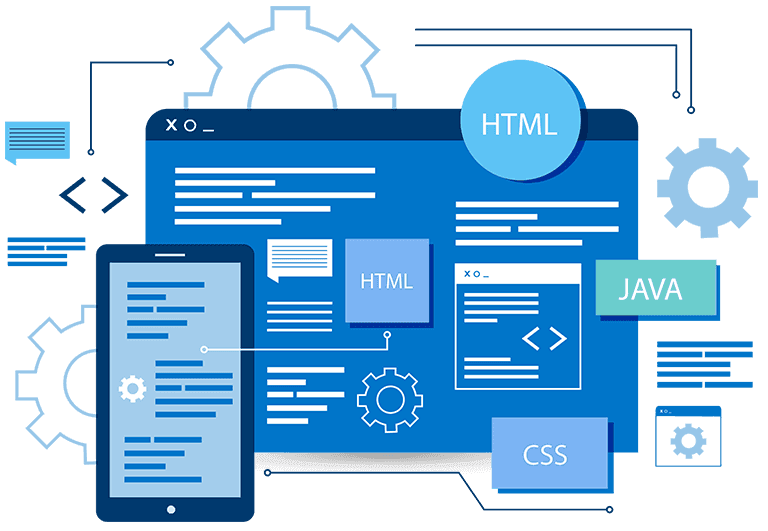
Web application development is the process of creating software applications that operate through web browsers. Unlike traditional desktop programs, web applications rely on internet connectivity to deliver their functionalities, making them accessible across various devices and platforms.
The development process involves crafting interactive features, designing user-friendly interfaces, and ensuring smooth performance. Web applications often include elements like real-time data processing, cross-platform compatibility, and integration with cloud services, enabling businesses to meet user expectations efficiently.
Examples of web applications include popular platforms like Gmail, which offers email services accessible from any browser, and e-commerce giants like Amazon, which allow users to shop, track orders, and manage accounts through their web apps. Similarly, productivity tools like Google Docs and Trello showcase how web applications facilitate collaboration and task management in real time.
Whether it’s a simple task management tool or a complex e-commerce platform, web application development focuses on providing users with intuitive and responsive solutions tailored to their needs.
Read more:
Top Web Application Development Companies in Vietnam 2024
Leading Web App Development Technologies to Utilize in 2024
2. Web Application Development Process
The journey of creating a web application involves a sequence of interconnected steps, each contributing to the final product’s quality and functionality. Here’s a closer look at how each phase builds on the previous one to ensure the success of the project:
2.1. Requirement Analysis
The process begins with understanding the business objectives and user expectations. Developers collaborate with stakeholders to gather detailed requirements and define a clear roadmap for the project. This step ensures alignment between technical strategies and organizational goals.
2.2. Designing the Application
Designers create wireframes and prototypes to visualize the application’s layout and structure. Feedback is collected to refine these designs, ensuring the application will provide a seamless and intuitive user experience.
2.3. Development
In this phase, developers work on both the back-end and front-end. The back-end focuses on the server, database, and application logic, ensuring reliable performance and data management. The front-end involves coding the user interface using technologies like HTML, CSS, and JavaScript to create a responsive design.
2.4. API Integration
Modern web applications often require the integration of third-party services or APIs. These integrations enable real-time data processing, enhance functionality, and connect the application to external platforms.
2.5. Testing and Quality Assurance
Rigorous testing ensures the application functions as intended. This step includes performance testing, usability testing, and security testing to identify and fix any potential issues before deployment. Automated tools and manual testing methods are used for thorough validation.
2.6. Deployment
Once testing is complete, the application is deployed to a hosting server and made live for users. The deployment process involves configuring servers, optimizing the hosting environment, and setting up monitoring tools to track performance and usage.
2.7. Maintenance and Updates
After deployment, ongoing maintenance ensures the application remains functional and secure. Regular updates are rolled out to introduce new features, fix bugs, and adapt to evolving user needs. User feedback plays a vital role in guiding these updates.
3. Importance of Web Application Development
Understanding the importance of web application development can help businesses prioritize their digital strategies effectively. Here’s why web application development is indispensable:
- Improved Accessibility: Web applications are accessible from anywhere with an internet connection, enabling users to interact with businesses on the go. This is particularly beneficial in today’s mobile-first world.
- Cost-Effectiveness: Since web applications run on browsers, there’s no need for individual installations or updates. This reduces operational costs and simplifies maintenance.
- Scalability: Web applications can grow with the business, accommodating an increasing number of users and functionalities without significant infrastructural changes.
- Customizable Solutions: Businesses can develop tailored web applications that cater to their specific requirements, offering unique functionalities and competitive advantages.
- Enhanced Security: With the right development practices and tools, web applications offer secure environments for data storage and transactions, building trust with users.
- Seamless Integration: Modern web applications can integrate with third-party services, APIs, and existing software systems, streamlining business operations.
Final Thoughts
The world of business is becoming increasingly digital, and web applications are a driving force behind this evolution. They empower organizations to connect with their users, streamline operations, and achieve their goals effectively. By embracing web application development, businesses unlock a realm of opportunities to innovate and grow in the digital age.
If you’re ready to harness the power of web applications for your business, Sphinx JSC is here to help. Our team specializes in creating customized web applications tailored to your unique needs. Contact us today at Sphinx JSC and take the first step towards digital success!