Physical AI: Bringing Intelligence into the Real World
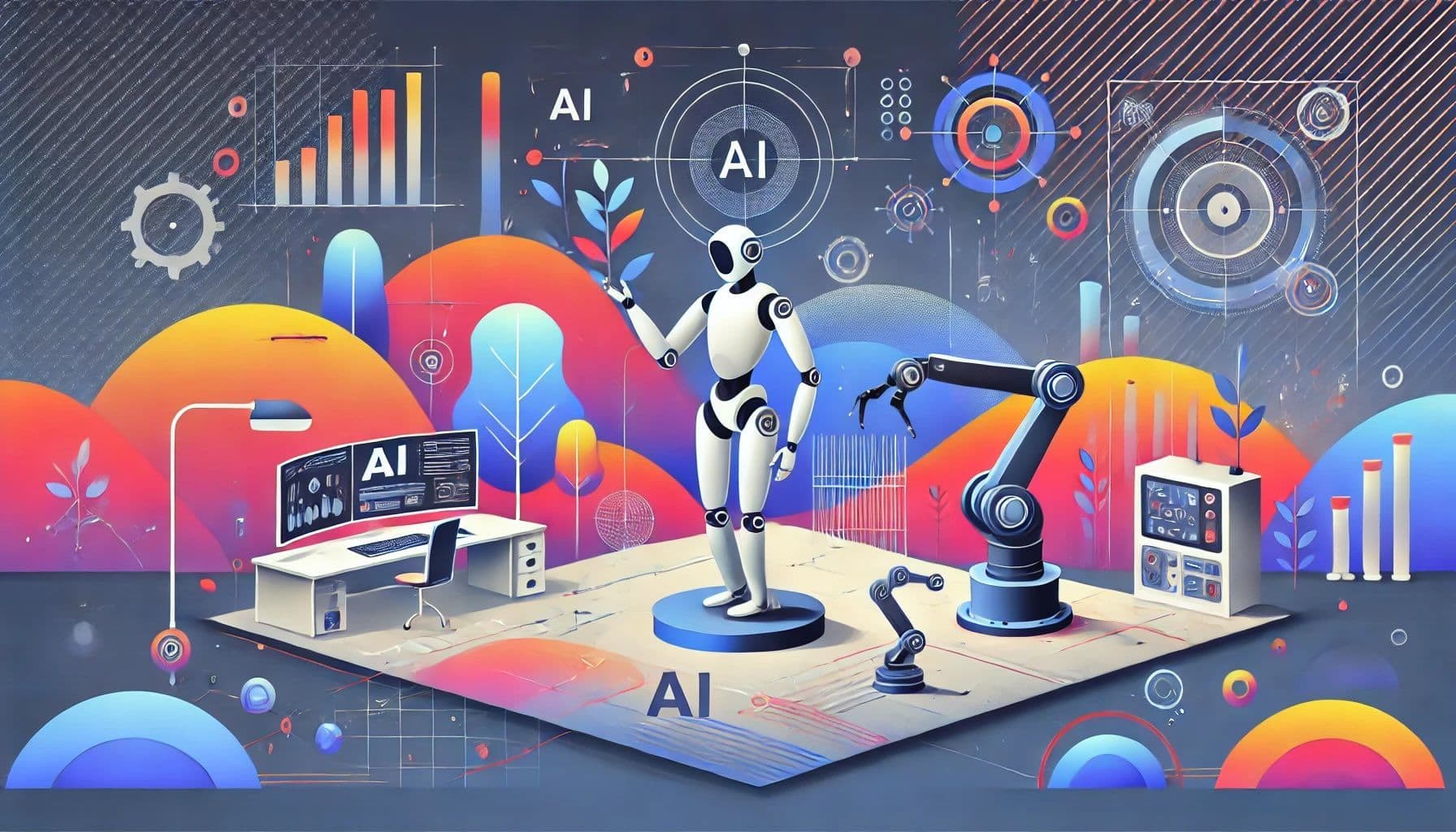
Artificial Intelligence (AI) has long operated in the digital realm, analyzing data, recognizing patterns, and making decisions within virtual systems. These technologies have remained largely separate from the physical world, existing as code running on servers or in the cloud. Now, a new frontier is taking shape: Physical AI.
Physical AI brings intelligence into machines that can sense, move, and act in the real world. These systems are no longer just tools for computation but active agents interacting with their environments. In this blog, we explore what Physical AI is, how it differs from traditional AI, and how it is reshaping the way technology engages with the physical world.
What Is Physical AI?
Physical AI is the integration of artificial intelligence into machines and devices that can sense, move, and interact with the physical world. Unlike traditional AI that exists only in software or virtual systems, Physical AI gives machines the ability to perform actions in real environments.
Physical AI merges the cognitive abilities of AI such as vision, language understanding, and learning with robotics, hardware control, and mechanical systems. This fusion enables intelligent machines to not only think but also act, adapting in real time to dynamic, unpredictable environments.
Example of Physical AI
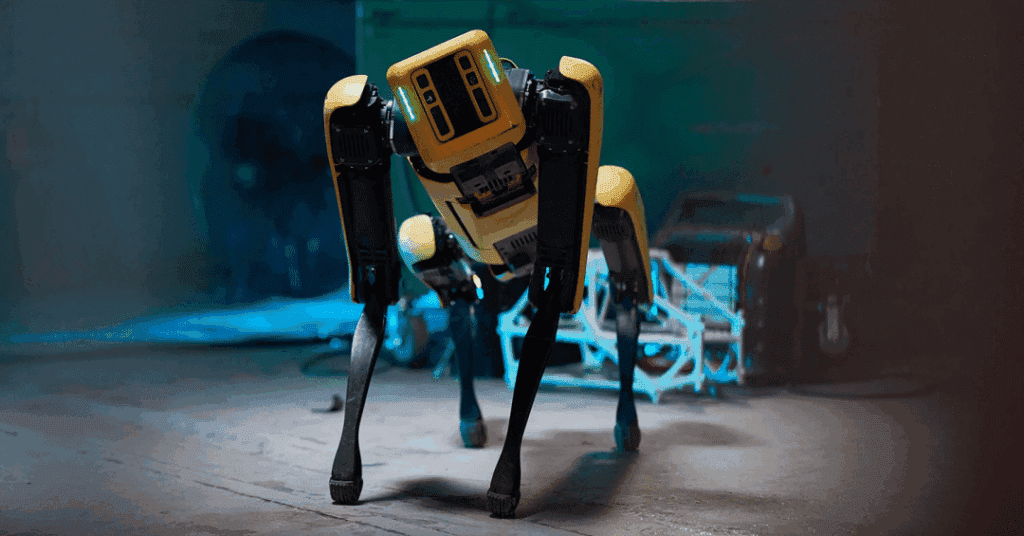
An example of Physical AI is Spot, a four-legged robot developed by Boston Dynamics. Spot uses sensors and AI to walk, avoid obstacles, and inspect hazardous areas. It can operate in construction sites, factories, and disaster zones, showing how intelligent systems can act and adapt in the real world.
Read more: What is Generative AI and How does it work?
How Is Physical AI Different from Other AI
Physical AI differs from traditional AI mainly in its connection to the physical world. While conventional AI systems focus on processing data, making predictions or providing recommendations within digital environments, Physical AI integrates intelligence into machines that directly interact with their surroundings.
Traditional AI operates through software algorithms running on computers or cloud servers without a direct physical presence. In contrast Physical AI combines cognitive functions like perception reasoning and learning with robotic hardware and control systems. This allows Physical AI systems to sense, move and manipulate objects in real time.
Another key difference is the need for Physical AI to handle the complexities and uncertainties of the physical environment. Unlike digital data the real world is dynamic, unpredictable and noisy. Physical AI must constantly adapt to changes in safety concerns and real time constraints making it more challenging but also more impactful in everyday applications.
For Example
A traditional AI system might analyze medical images to assist doctors in diagnosing diseases. This AI stays within the digital realm processing data and offering insights.
In contrast, a Physical AI system could be a robotic surgical assistant that not only analyzes images but also physically assists in surgery by precisely controlling instruments in real time. This robot must interpret the surgeon’s commands, adjust to patient movements and respond to unexpected events during the operation tasks that require seamless integration of AI with physical control.
How Physical AI is Transforming the Real World
Physical AI is already making a powerful impact across various industries by bridging digital intelligence with physical action. These systems are not just processing data but actively transforming how tasks are performed in real environments.
Manufacturing and Industry 4.0
In modern factories intelligent robots with AI vision and control systems are streamlining assembly lines, inspecting products and collaborating with human workers. These robots can adapt to variations in materials, identify defects and perform complex tasks without needing constant reprogramming. The result is improved efficiency, reduced errors and greater production flexibility.
Healthcare and Assistive Technologies
Physical AI is advancing medical innovation through robotic surgical assistants AI-powered prosthetics and exoskeletons. These systems respond to nerve signals and environmental feedback allowing for personalized and precise treatment. Robotic arms assist surgeons in delicate procedures while exoskeletons support patients with mobility challenges enabling more independence and faster recovery.
Logistics and Supply Chain
From warehouses to delivery routes Physical AI is transforming logistics. Robots such as autonomous mobile robots and AI-driven drones are accelerating inventory management package sorting and last-mile delivery. These machines move safely around people, optimize routes in real time and operate around the clock boosting both speed and accuracy in fulfillment operations.
Autonomous Vehicles
Self-driving cars are a leading example of Physical AI in action. These vehicles combine perception from sensors like cameras and lidar with AI-driven decision making and physical controls such as steering and braking. The goal is to create safer, more efficient transportation systems that can navigate complex environments without human intervention.
Agriculture and Environmental Monitoring
In agriculture AI-powered robots help farmers monitor crops, detect disease control pests and even harvest produce. These machines increase yield and reduce labor demands. In environmental science drones equipped with AI survey forests, oceans and wildlife habitats gathering valuable data with minimal human disturbance and improving conservation efforts.
The Future of Physical AI
As the boundaries between the digital and physical worlds continue to dissolve, the future of Physical AI holds enormous promise. We are moving toward an era where intelligent machines will not only analyze and reason but also physically operate in real-world environments with precision, adaptability, and autonomy.
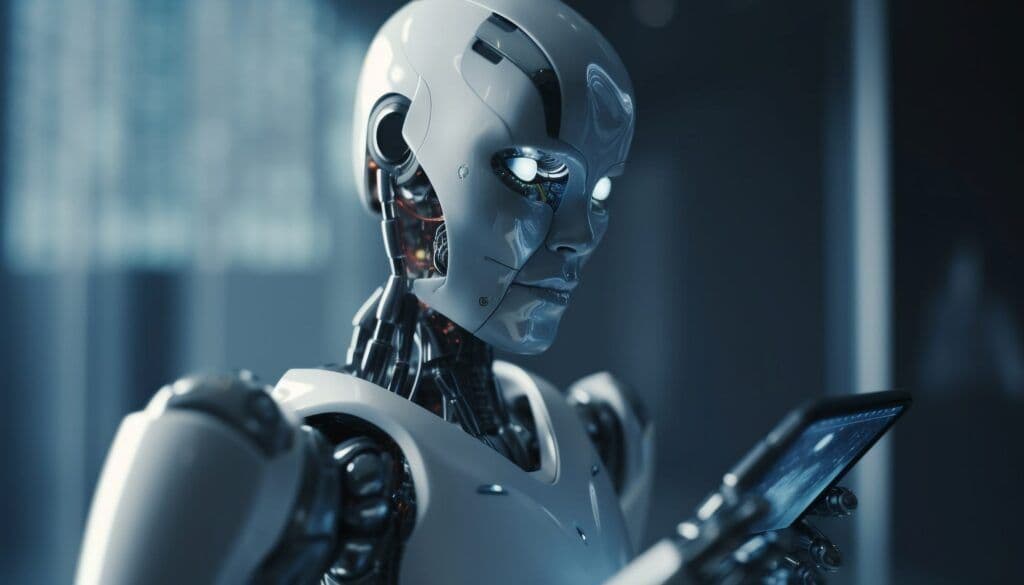
Smarter, More Autonomous Robots
Future Physical AI systems will integrate advanced perception, planning, and actuation capabilities. Robots will no longer be confined to controlled environments like factories or labs. They will navigate complex public spaces, homes, and disaster zones by understanding context, adjusting behaviors, and collaborating with humans seamlessly.
Human AI Symbiosis
Physical AI will play a key role in augmenting human abilities. From AI-powered exosuits for workers and the elderly to surgical assistants with millimeter-level precision, these technologies will help humans overcome physical limitations, reduce fatigue, and achieve more with less effort.
Edge AI and Real-Time Adaptability
To operate in the real world, Physical AI must process data instantly. The future will see widespread adoption of edge computing, allowing devices to run AI models locally with low latency and high reliability. This will enable smarter drones, vehicles, and wearables that adapt in real time without relying heavily on the cloud.
Sustainable and Ethical Design
As Physical AI becomes more embedded in daily life, issues of sustainability and ethics will take center stage. Designing energy-efficient robots, ensuring safe human machine interaction, and addressing privacy concerns will be essential. Future AI systems must be not only intelligent and useful but also responsible.
Cross Disciplinary Innovation
The advancement of Physical AI will require collaboration across AI research, robotics, neuroscience, mechanical engineering, and ethics. New breakthroughs will emerge at the intersections of these fields, driving innovation in medicine, transportation, agriculture, construction, and beyond.
Final Thoughts
Physical AI is not just a trend. It represents a transformative leap in how artificial intelligence can engage with the real world. From healthcare and manufacturing to mobility and environmental protection, Physical AI is bridging the gap between digital intelligence and physical capability, unlocking new possibilities for innovation and impact.
At Sphinx JSC, we are committed to shaping this future. With our expertise in AI, embedded systems, and smart automation, we help businesses bring intelligence into the real world safely, efficiently, and at scale. Ready to explore how Physical AI can elevate your business? Contact Sphinx JSC today and let’s build the future together.