
Generative AI in Manufacturing: Smart Automation for Production
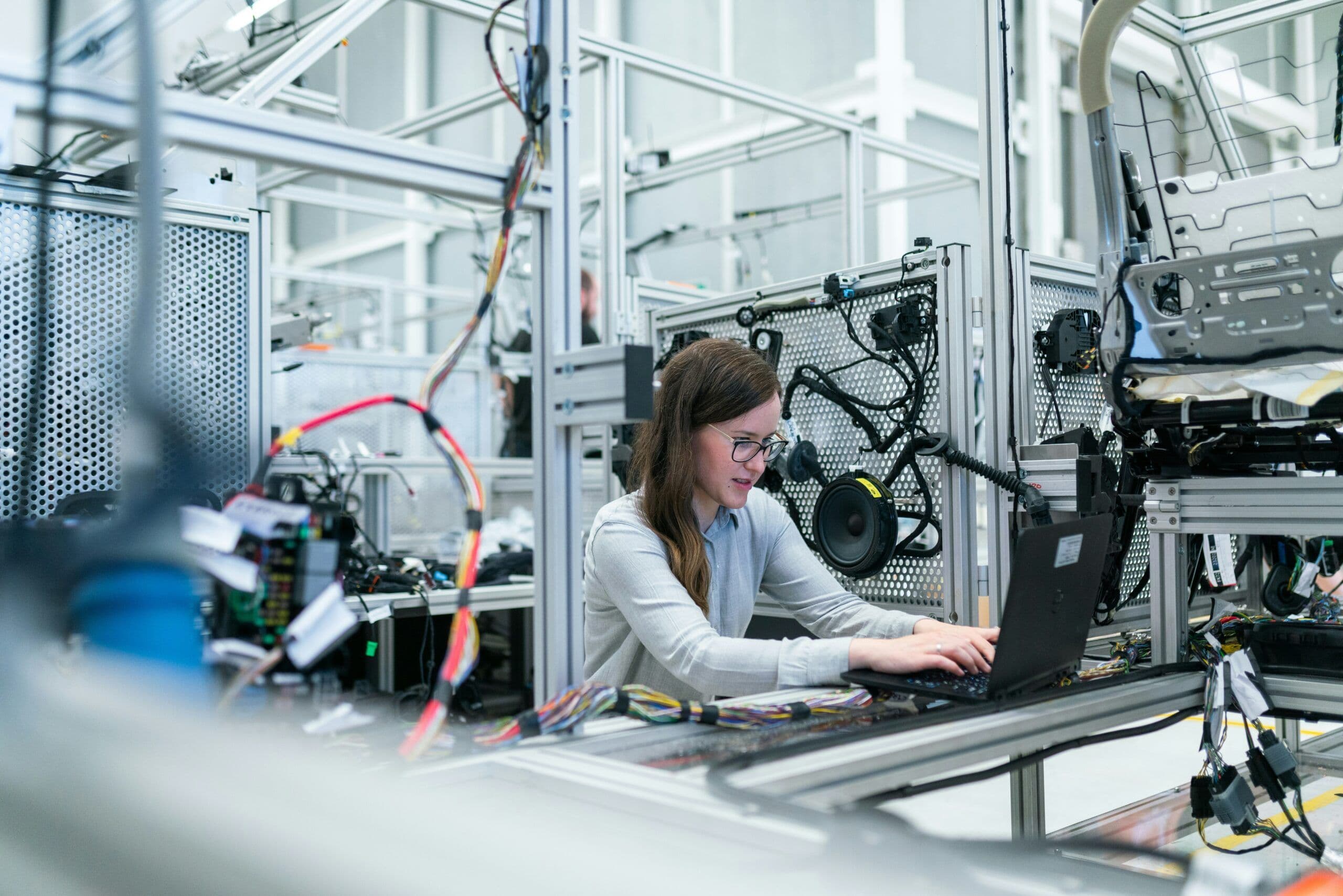
The manufacturing industry is undergoing a major transformation, driven by advancements in artificial intelligence. Generative AI is at the forefront of this shift, revolutionizing production processes with intelligent automation. According to Gartner’s report, Generative AI has the potential to drive significant transformations in manufacturing by delivering advanced, data-driven insights and recommendations.
In this blog, we’ll explore how generative AI is reshaping manufacturing, the key benefits it offers, and real-world applications that are setting new standards for the industry. Let’s dive into the future of smart production!
1. Key GenAI Use Cases in Manufacturing
Generative AI is being applied across various aspects of manufacturing, including:
1.1. Design and Prototyping
AI-powered generative design tools analyze constraints such as materials, weight, and strength requirements to generate optimized product designs. This significantly reduces time spent on manual design iterations, minimizes material waste, and enables engineers to explore innovative solutions that may not have been conceived through traditional design methods.
1.2. Predictive Maintenance
Machine learning models process data from sensors embedded in manufacturing equipment to predict potential failures before they occur. By analyzing vibration patterns, temperature fluctuations, and historical maintenance records, AI helps manufacturers schedule timely maintenance, avoid unexpected downtime, and extend equipment lifespan, ultimately saving costs on repairs and replacements.
1.3. Quality Control and Defect Detection
AI-powered vision systems use advanced image recognition and deep learning techniques to detect defects in products during the production process. Unlike manual inspections, which can be prone to human error.
AI ensures precise, real-time identification of flaws, improving overall product quality, reducing scrap rates, and increasing customer satisfaction.
1.4. Supply Chain Optimization
AI enhances supply chain management by analyzing historical and real-time data to improve demand forecasting, optimize inventory levels, and enhance supplier coordination.
AI-driven models can predict potential disruptions, recommend alternative sourcing strategies, and streamline logistics, ensuring a more resilient and cost-efficient supply chain.
1.5. Process Optimization
AI-driven simulations and real-time analytics continuously monitor and adjust production workflows for optimal performance. By analyzing production line efficiency, machine utilization rates, and resource allocation.
AI helps manufacturers reduce energy consumption, eliminate bottlenecks, and increase overall output without compromising quality.
1.6. Human-Robot Collaboration
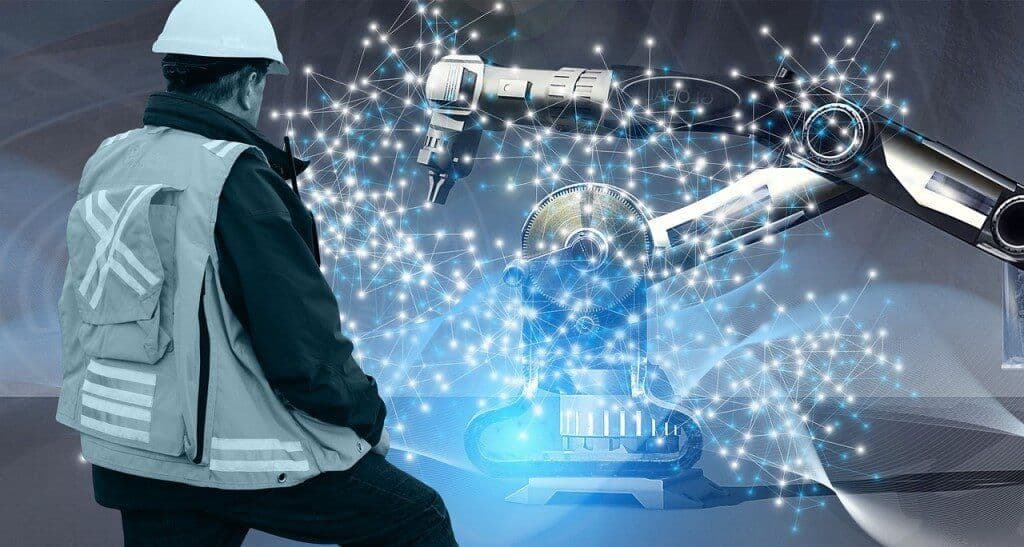
AI enables smart robotics to work alongside human workers in manufacturing facilities, automating repetitive tasks while enhancing worker safety and productivity.
AI-driven robots can learn from human operators, adapt to changing environments, and perform complex assembly tasks, allowing human employees to focus on more strategic and creative responsibilities.
2. Benefits of Generative AI in Manufacturing
By integrating generative AI into manufacturing processes, companies can experience numerous benefits:

- Enhanced Productivity: AI automates repetitive tasks, optimizes workflows, and enhances machine utilization, leading to faster production cycles and higher output. Smart automation minimizes human errors and maximizes efficiency.
- Cost Reduction: Predictive maintenance prevents costly breakdowns, while AI-driven resource optimization reduces waste and lowers material costs, ensuring leaner operations.
- Improved Quality: AI-powered vision systems detect defects with high accuracy in real time, ensuring consistent product quality, minimizing waste, and improving customer satisfaction.
- Sustainability: AI helps reduce waste, optimize energy usage, and promote eco-friendly production methods.
- Faster Innovation: Generative design accelerates product development, enabling manufacturers to bring innovative solutions to market quickly.
3. How Does Generative AI for Manufacturing Work?
Generative AI in manufacturing operates by leveraging advanced machine learning and AI-driven technologies to optimize production processes, enhance efficiency, and improve decision-making. Here’s how it works:
- Data Collection and Processing: AI systems gather data from multiple sources, including IoT sensors, machine logs, supply chain records, and historical production data. This data is then cleaned, structured, and analyzed to identify patterns and trends.
- Machine Learning Models: AI algorithms use supervised and unsupervised learning techniques to analyze vast amounts of historical and real-time production data. These models help in predicting failures, optimizing production schedules, and recommending process improvements.
- Neural Networks and Generative Models: Deep learning-based neural networks enable AI to generate optimized designs, automate decision-making, and enhance predictive capabilities. Generative models, such as Generative Adversarial Networks (GANs), help in designing innovative products by exploring multiple possibilities beyond human imagination.
- Computer Vision for Quality Control: AI-powered image recognition systems inspect products for defects in real-time. These systems use deep learning to analyze images from cameras on production lines, ensuring precise quality control and reducing waste.
- Digital Twins and Simulations: AI creates virtual replicas (digital twins) of machines, production lines, and entire factories. These digital models allow manufacturers to simulate different scenarios, test optimizations, and reduce operational risks before implementing changes in real-world environments.
- Natural Language Processing (NLP) for Automation: AI-driven chatbots and voice assistants enable human workers to interact seamlessly with AI systems. Employees can use voice or text commands to receive real-time updates, control machines, and troubleshoot production issues.
- Automated Process Optimization: AI continuously monitors and adjusts production workflows in real-time. By analyzing key performance indicators (KPIs), machine utilization rates, and energy consumption, AI ensures optimal efficiency and minimizes resource waste.
- Supply Chain Intelligence: AI enhances supply chain management by predicting demand fluctuations, optimizing inventory levels, and improving supplier coordination. By analyzing market trends and real-time logistics data, AI helps manufacturers avoid disruptions and streamline operations.
Read more:
Generative AI in Healthcare: Revolutionizing the Future of Medicine
Harnessing Generative AI: Transforming the Future of Retail
Final Thoughts
Generative AI is transforming manufacturing by driving intelligent automation, optimizing operations, and fostering innovation. As technology continues to evolve, manufacturers that embrace AI-driven solutions will gain a competitive edge, enhance productivity, and achieve greater sustainability. The integration of AI into manufacturing is not just a trend, it is the future of production.
Partner with Sphinx JSC to develop cutting-edge Generative AI solutions that will revolutionize your manufacturing processes and drive your business forward.