
Generative AI in Beauty: Transforming Personalized Beauty Services

The beauty industry is undergoing a digital transformation, with Generative AI leading the way in creating hyper-personalized beauty solutions. From AI-powered skincare analysis to virtual try-on experiences, brands are integrating advanced AI technologies to enhance customer engagement, improve product recommendations, and drive innovation.
This blog explores how Generative AI is shaping the beauty industry, its key applications, benefits, challenges and what the future holds.
Read more:
Generative AI in Healthcare: Revolutionizing the Future of Medicine
Generative AI in Manufacturing: Smart Automation for Production
Harnessing Generative AI: Transforming the Future of Retail
1. The Rise of AI in the Beauty Industry
The beauty industry has always been at the forefront of innovation, blending science, technology, and artistry to create new experiences for consumers. With the advent of Artificial Intelligence (AI), the industry is undergoing a profound transformation, particularly through the use of Generative AI. AI-powered beauty solutions have evolved from simple virtual try-on applications to highly personalized recommendations, content creation, and even product development. Companies like L’Oréal, Estée Lauder, and Shiseido are integrating AI to enhance customer engagement and provide hyper-personalized beauty services.
As AI technologies, particularly machine learning and deep learning, advance, they enable beauty brands to analyze vast datasets, including consumer preferences, skin conditions, and even genetic information. This allows for a more tailored approach to beauty, helping consumers discover products and treatments that are uniquely suited to their needs.
Key drivers behind AI’s rise in the beauty industry:
- Shift to Digital-First Experiences: With the surge in online shopping, brands need AI-powered virtual experiences to bridge the gap between digital and physical stores.
- Data-Driven Personalization: AI can analyze vast amounts of data to provide customers with customized beauty recommendations based on their skin type, preferences, and past purchases.
- Technological Advancements: The adoption of Generative AI, machine learning, and augmented reality (AR) is making beauty services more interactive and efficient.
With these advancements, AI is no longer just an add-on but a core element of the modern beauty experience.
2. Key Applications of Generative AI in Beauty Services
Generative AI is revolutionizing various aspects of the beauty industry. Some of the most impactful applications include:
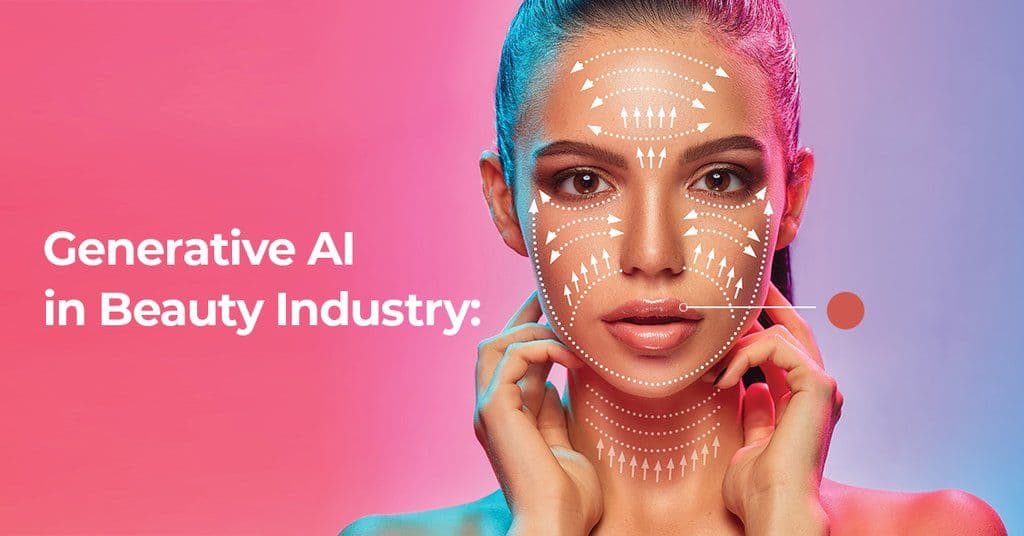
- Personalized Skincare and Makeup Recommendations: AI analyzes user data, skin conditions, and preferences to suggest tailored skincare and makeup products. This often involves AI-powered diagnostic tools that scan skin images to identify issues such as wrinkles, acne, or dryness and then provide targeted product recommendations.
- Virtual Try-On and Augmented Reality (AR): AI-powered AR technology allows customers to virtually try on makeup, hairstyles, and even skincare effects in real-time using their smartphone cameras or smart mirrors. This helps consumers make better purchasing decisions without physically testing products.
- AI-Generated Beauty Content: Brands use AI to create marketing materials, influencer-style beauty content, and trend-driven campaign visuals. AI can generate product images, social media content, and even synthetic models that showcase different makeup looks.
- Smart Beauty Assistants: AI chatbots and voice assistants offer personalized beauty advice, product recommendations, and even step-by-step tutorials based on user interactions.
- Customized Product Formulation: AI helps brands develop unique formulations based on user data, offering customized beauty products like foundation shades, skincare serums, and haircare treatments tailored to individual needs.
- AI-Enhanced Dermatology and Skincare Diagnostics: AI-powered apps and devices help consumers assess their skin health over time, providing insights into aging, hydration levels, and sun damage, allowing for proactive skin care regimens.
3. Benefits of Generative AI in Beauty Services
The adoption of Generative AI brings numerous advantages to both businesses and consumers:
- Enhanced Personalization: AI analyzes vast datasets to deliver highly personalized beauty experiences tailored to individual preferences and needs. This creates a more customized and satisfying shopping experience.
- Improved Customer Engagement: AI-driven virtual tools enhance interactivity, allowing customers to make informed purchasing decisions with confidence. This boosts brand loyalty and customer satisfaction.
- Time and Cost Efficiency: Automating beauty consultations and recommendations saves time for both customers and brands while reducing reliance on in-store visits. This makes beauty services more accessible to a wider audience.
- Sustainability and Waste Reduction: AI-driven product customization helps minimize waste by reducing overproduction and unnecessary purchases. Brands can optimize manufacturing processes, reducing excess inventory and promoting eco-friendly beauty practices.
- Innovative Creativity: Generative AI unlocks new possibilities in beauty trends, enabling brands to experiment with novel aesthetics, color palettes, and formulations that may not have been possible through traditional research methods.
4. Challenges & Ethical Considerations
Despite its potential, Generative AI in beauty also presents challenges and ethical concerns:

- Bias in AI Algorithms: AI models trained on limited datasets may produce biased recommendations that do not cater to diverse skin tones and beauty standards. Addressing inclusivity in AI training data is crucial for fair and effective beauty solutions.
- Privacy and Data Security: The collection and use of personal data for AI-powered beauty services raise concerns about data protection and user consent. Companies must ensure strict data privacy policies and transparent usage terms.
- Over-Reliance on AI: While AI enhances personalization, excessive dependence on technology may limit the human touch in beauty services. AI should complement rather than replace expert beauty consultants.
- Deepfake and Misinformation Risks: AI-generated beauty content can blur the line between reality and digital manipulation, potentially leading to unrealistic beauty standards. Ethical AI use should promote authenticity and realistic beauty representation.
- Accessibility Barriers: High-end AI-driven beauty services may not be accessible to all consumers due to cost or technological limitations. Expanding accessibility to diverse demographics remains a challenge for the industry.
5. The Future of AI in Beauty Services
The future of AI in beauty looks promising as advancements in machine learning and computer vision continue to refine AI-driven beauty experiences. Future trends may include:
- Hyper-Personalization: AI will become even more precise in understanding individual skin needs, lifestyle factors, and genetic predispositions to beauty concerns, offering a truly personalized experience.
- AI-Powered At-Home Devices: Smart beauty gadgets incorporating AI diagnostics and treatment recommendations will gain popularity. AI-driven skincare and makeup devices may provide real-time adjustments for optimal beauty care.
- Sustainable AI Beauty Solutions: AI will play a key role in driving sustainability, from ethical sourcing of ingredients to minimizing environmental impact through personalized production and packaging solutions.
- Integration with the Metaverse: AI-generated beauty avatars and virtual influencers may redefine the way consumers engage with beauty brands in digital spaces, offering a futuristic, immersive shopping experience.
- Advancements in AI Dermatology: AI-powered diagnostic tools will continue to evolve, providing consumers and dermatologists with deeper insights into skin health, preventive care, and AI-assisted treatment recommendations.
Final Thoughts
Generative AI is redefining beauty services, making them more personalized, efficient, and innovative. However, responsible AI development and ethical considerations remain crucial to ensuring inclusivity and transparency. As AI technology advances, it will continue to enhance consumer experiences and reshape industry standards.
As a company committed to technological innovation, Sphinx JSC is at the forefront of AI development, helping businesses integrate cutting-edge AI solutions to revolutionize industries, including beauty. Our expertise in AI-driven applications ensures that brands can leverage the latest advancements to create personalized and sustainable beauty experiences for their customers.