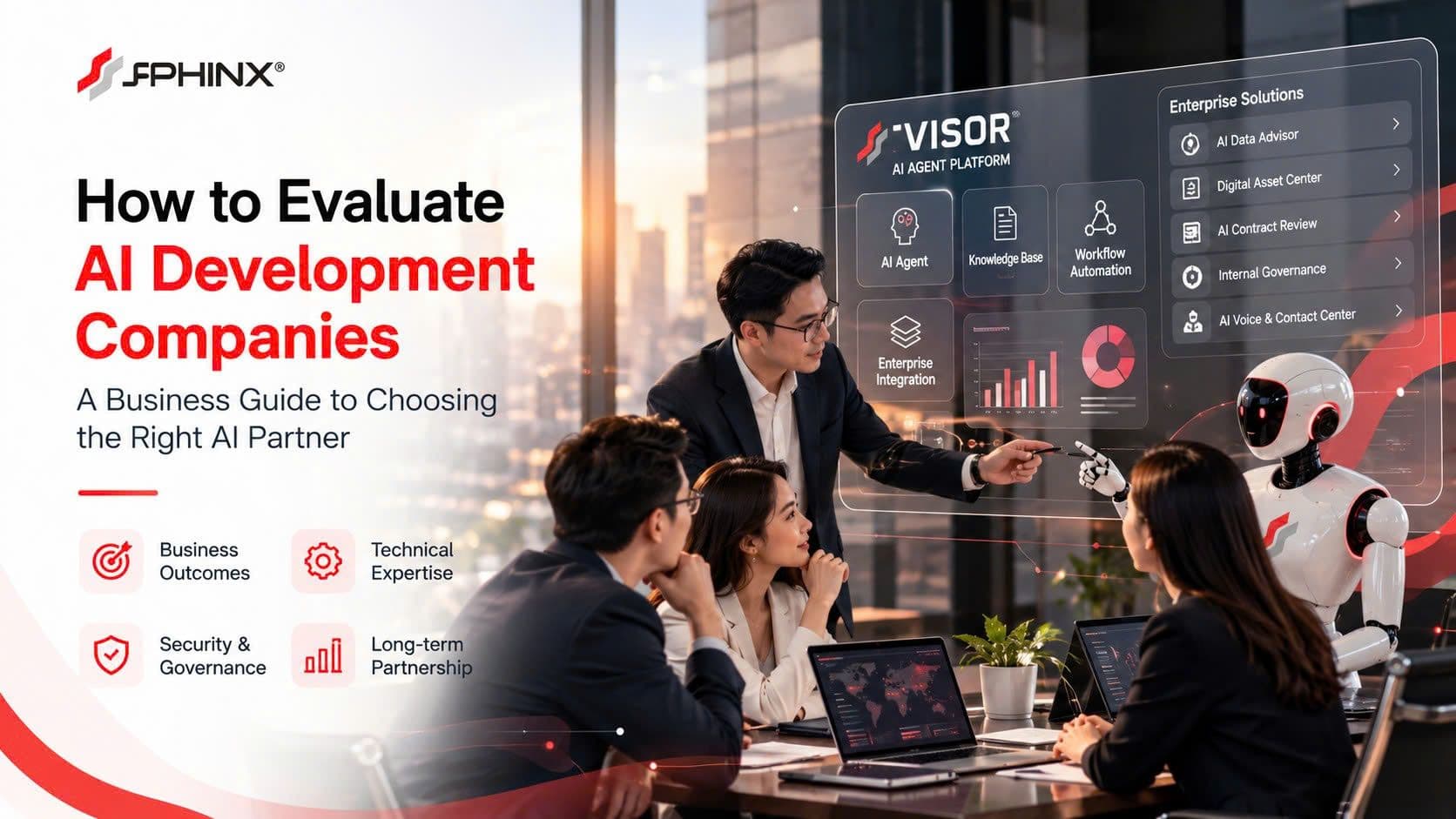
Enterprise AI: Transforming the Future of Business

Artificial Intelligence (AI) is no longer just a futuristic concept. It is a powerful tool that enterprises are leveraging to streamline operations, enhance decision-making, and drive innovation. From automating workflows to improving customer experiences, AI is reshaping the way businesses operate.
In this blog, we’ll explore what enterprise AI is, its types, its role in business, and why companies should embrace AI to stay ahead in a competitive landscape.
1. What is Enterprise AI?
Enterprise AI refers to the implementation of artificial intelligence technologies in large-scale businesses to automate tasks, optimize operations, and enhance decision-making. Unlike traditional AI applications, which may focus on specific consumer products (e.g., voice assistants), enterprise AI is designed to integrate seamlessly into business ecosystems, working with existing infrastructure and processes.
Enterprise AI includes machine learning (ML), natural language processing (NLP), computer vision, and predictive analytics, all of which help businesses improve efficiency, reduce costs, and unlock new opportunities. Companies use enterprise AI to analyze vast amounts of data, detect patterns, and provide insights that drive strategic decisions.
2. Types of AI in Enterprise
AI in enterprise is broadly categorized into different types based on its applications and capabilities:
2.1. Machine Learning (ML)
Machine learning enables businesses to analyze vast amounts of data, recognize patterns, and make accurate predictions. This type of AI is widely used in fraud detection, demand forecasting, and personalized marketing, allowing enterprises to make data-driven decisions that optimize their operations.
2.2. Natural Language Processing (NLP)
NLP enables artificial intelligence to process, analyze, and produce human language in a meaningful way. Businesses use NLP-powered solutions such as chatbots, virtual assistants, and sentiment analysis tools to enhance customer interactions, streamline communication, and extract insights from large volumes of text data.
2.3. Robotic Process Automation (RPA)
RPA focuses on automating repetitive and rule-based tasks, reducing the need for human intervention. It is commonly used in finance, HR, and customer service, where businesses benefit from increased efficiency, reduced errors, and improved workflow management.
2.4. Computer Vision
Computer vision enables AI to interpret and analyze visual data from images and videos. This technology is applied in industries such as retail, healthcare, and manufacturing for tasks such as quality control, facial recognition, and automated inspections.
2.5. Expert Systems
Expert systems simulate human decision-making by providing specialized recommendations based on data analysis. These AI-driven systems are commonly used in fields such as healthcare, finance, and legal services, where businesses rely on AI-generated insights to make informed choices.
2.6. Generative AI
Generative AI is capable of developing original content, such as written text, visual art, music compositions, and software code. This technology is transforming industries by enabling businesses to automate content creation, design processes, and software development, enhancing creativity and productivity.
Read more:
Main Types of AI Technologies to Enhance Business Success
Everything to know about Artificial Intelligence
3. Artificial Intelligence: Role in Business
AI plays a crucial role in modern enterprises by improving efficiency, decision-making, and customer interactions. Some of its key contributions include:
- Process Automation: AI automates repetitive tasks such as data entry, invoicing, and compliance reporting, freeing up employees to focus on higher-value work.
- Enhanced Customer Experience: AI-powered chatbots, recommendation engines, and personalized marketing improve customer engagement and satisfaction.
- Data-Driven Decision Making: AI analyzes large datasets in real time, providing businesses with actionable insights to make informed strategic choices.
- Risk Management and Fraud Detection: AI detects anomalies in transactions, preventing fraud and ensuring regulatory compliance.
- Supply Chain Optimization: AI forecasts demand, predicts disruptions, and improves logistics efficiency.
4. The Benefits of AI in the Enterprise Setting
Artificial Intelligence (AI) is revolutionizing businesses by enhancing efficiency, decision-making, and customer experience. Here’s how AI is driving success in enterprises:
4.1. Automation & Efficiency
AI automates repetitive tasks, streamlines workflows, and reduces manual effort. Robotic Process Automation (RPA) improves operations in data processing, scheduling, and administrative tasks, boosting productivity across departments.
4.2. Smarter Decision-Making
With AI-driven analytics, businesses can make data-backed decisions in real time. Predictive analytics helps forecast market trends, customer behavior, and operational risks, enabling strategic planning and competitive positioning.
4.3. Cost Savings
AI minimizes human errors, optimizes resource allocation, and enhances operational efficiency. From supply chain management to energy consumption, AI helps businesses cut costs while maintaining high performance and accuracy.
4.4. Enhanced Customer Experience
Customer interactions are enhanced through AI-driven chatbots, personalized recommendations, and sentiment analysis. By personalizing services and responding instantly to queries, businesses can enhance customer satisfaction and retention.
4.5. Cybersecurity & Risk Management
AI strengthens security by detecting anomalies, preventing cyber threats, and reducing fraud. Automated monitoring systems ensure compliance with industry regulations, safeguarding enterprise data and transactions.
4.6. Competitive Advantage
AI accelerates innovation by optimizing product development, dynamic pricing strategies, and business processes. Companies leveraging AI gain a strategic edge in adapting to market changes and delivering smarter solutions.
5. Future of Artificial Intelligence in Business
The future of AI in business is poised to redefine industries with groundbreaking innovations and deeper integrations. The rise of hyperautomation, where AI automates complex end-to-end workflows, will drive greater efficiency across enterprise functions. AI’s convergence with the Internet of Things (IoT) will enable businesses to harness real-time data for predictive maintenance, operational optimization, and smarter decision-making.
Explainable AI (XAI) is gaining traction, ensuring transparency and trust in AI-driven decision-making. AI-powered marketing will continue to evolve, offering hyper-personalized campaigns that resonate deeply with target audiences. Sustainability will also become a key focus, with AI-driven solutions optimizing energy consumption, reducing waste, and supporting environmentally responsible business practices. As AI continues to advance, enterprises that integrate AI strategically will lead the way in innovation, efficiency, and long-term success.
Final Thoughts
AI is no longer a futuristic concept. It is a present-day reality that is transforming enterprises across industries. Companies that embrace AI can achieve greater efficiency, improved decision-making, and sustained competitive advantages. However, successful AI implementation requires a strategic approach, continuous adaptation, and a balance between automation and human expertise.
As AI technology advances, businesses must remain agile and leverage AI-driven innovations to stay ahead in the competitive landscape. If your business is looking to integrate AI-driven solutions, Sphinx JSC is ready to support your journey. Contact us today to explore how AI can elevate your enterprise to new heights.