eCommerce vs mCommerce: Key Differences Explained

As digital transformation continues to reshape the way we live, work, and shop, businesses must keep up with changing consumer behaviors. One of the most notable shifts in recent years is the growing dominance of mobile commerce (mCommerce) alongside traditional eCommerce. While both fall under the umbrella of digital commerce, understanding their differences is crucial for any business looking to stay competitive in today’s fast-paced market.
In this article, we’ll break down the key differences between eCommerce and mCommerce, explore the pros and cons of each, and help you determine which strategy aligns best with your business goals.
Read more: E-commerce Platform Success: 50% Increase in Sales
What is eCommerce?
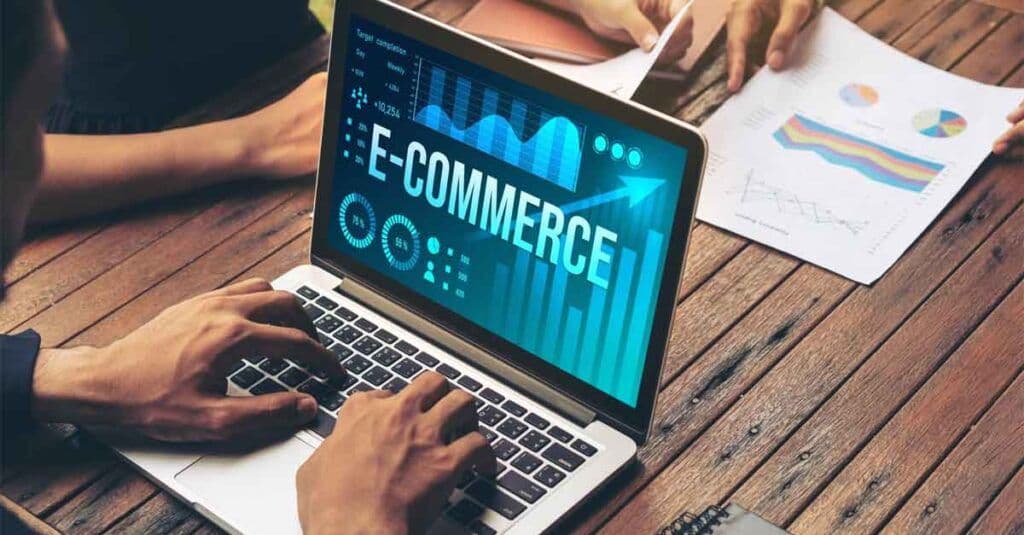
eCommerce, short for electronic commerce, refers to the buying and selling of goods and services over the internet. It typically involves transactions conducted through desktop-optimized websites or large-scale online marketplaces like Amazon, eBay, and Shopify. eCommerce emerged in the 1990s and has since evolved into a multitrillion-dollar industry.
The primary advantage of eCommerce is its broad accessibility. Consumers can browse products, read reviews, and make purchases from virtually any internet-connected device. Businesses benefit from lower overhead costs compared to physical retail stores, global reach, and the ability to automate many aspects of the customer journey.
What is mCommerce?
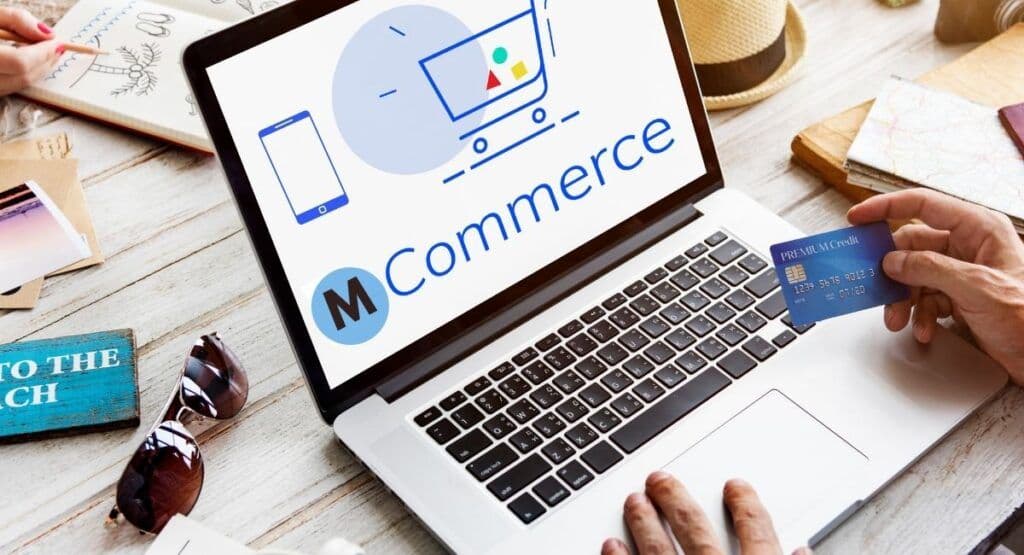
mCommerce, or mobile commerce, is a subset of eCommerce that involves transactions carried out via mobile devices such as smartphones and tablets. This includes purchases made through dedicated mobile apps or websites specifically optimized for mobile experiences.
Unlike traditional eCommerce, mCommerce is designed around mobility, speed, and convenience. With the rise of mobile-first consumers, businesses are investing heavily in apps that offer smoother navigation, personalized recommendations, and frictionless payment methods. Think of shopping through apps like Shopee, Amazon, or using mobile wallets like Apple Pay, MoMo, or Google Pay all of which fall under the umbrella of mCommerce.
Key Differences Between eCommerce and mCommerce
While both eCommerce and mCommerce involve online buying and selling, they differ significantly in how transactions are conducted and what kind of user experience they offer. Below are the key areas of distinction:
1. Devices Used
- eCommerce typically operates on desktop or laptop computers. Users access websites via web browsers like Chrome or Firefox.
- mCommerce is built for mobile devices, such as smartphones and tablets. Transactions happen through mobile apps or mobile-optimized websites.
2. Platform Design and User Experience
- eCommerce websites are designed for larger screens, with more content displayed at once. Navigation menus, product pages, and checkout processes are optimized for desktop browsing.
- mCommerce platforms are optimized for small screens. They feature simplified layouts, larger buttons, quicker navigation, and mobile-friendly checkout flows. Many businesses develop dedicated mobile apps to improve user experience further.
3. Speed and Accessibility
- eCommerce offers fast performance on desktop but often requires users to be seated and focused.
- mCommerce enables anytime, anywhere access. Users can shop while commuting, waiting in line, or relaxing at home creating more touchpoints for engagement.
4. Payment Methods
- eCommerce commonly supports traditional online payments like credit/debit cards, PayPal, and bank transfers.
- mCommerce introduces more mobile-specific payment methods such as digital wallets (Apple Pay, Google Pay), QR code payments, and in-app purchases. These are often faster and more secure for mobile users.
5. Security and Authentication
- eCommerce websites typically use SSL encryption, passwords, and sometimes two-factor authentication.
- mCommerce adds extra layers of security such as fingerprint or facial recognition, device-level authentication, and instant OTP-based verification making the mobile checkout process both fast and secure.
6. Connectivity and Features
- eCommerce relies on traditional website functionalities and browser sessions. User engagement is often limited to email marketing or website pop-ups.
- mCommerce offers richer features such as push notifications, geolocation services, voice search, and real-time tracking. These mobile-specific tools help businesses personalize the shopping experience and engage users more effectively.
7. Customer Engagement and Marketing
- eCommerce marketing is generally broader, relying on SEO, email campaigns, or digital ads targeting desktop users.
- mCommerce allows more direct communication through mobile notifications, in-app messages, and personalized recommendations based on behavior and location.
8. Use Cases and Shopping Behavior
- eCommerce is often used for longer, more research-heavy purchases, such as electronics, furniture, or B2B products.
- mCommerce suits quick, on-the-go purchases like clothing, food delivery, tickets, or flash sales, especially popular among younger, mobile-first consumers.
The Benefits of E-Commerce and M-Commerce
Both e-commerce (electronic commerce) and m-commerce (mobile commerce) offer significant advantages for businesses and consumers in today’s digital economy. Here’s a breakdown of their key benefits:
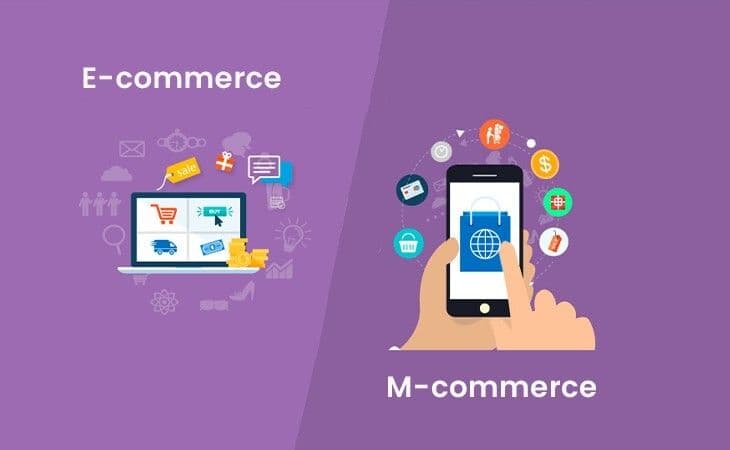
Access to Global Markets Anytime, Anywhere
One of the most powerful advantages of digital commerce is the ability to transcend physical boundaries. Through an e-commerce website or a mobile commerce app, businesses can connect with customers across the globe, eliminating the limitations of location and time zones.
What makes this even more compelling is the constant availability. Online stores never close, whether accessed via desktop or smartphone. E-commerce provides convenience at home, while m-commerce extends that freedom to customers on the go, offering unmatched flexibility in when and how people shop.
Driving Higher Sales Through Convenient Shopping
The simplicity and ease of online purchasing often translate into more transactions and greater revenue.
With e-commerce, consumers can browse and buy from their desktops with minimal effort. M-commerce goes a step further, allowing people to shop while commuting, traveling, or relaxing all from their mobile devices. This mobile advantage makes it ideal for quick purchases and impulsive decisions.
Features like instant checkout, push notifications, and mobile-exclusive offers help increase conversion rates and encourage higher spending per visit.
Reduced Operating Costs and Agile Business Models
Running an online store is significantly more economical than maintaining a brick-and-mortar location. Businesses save on overhead costs like rent, utilities, and large staff.
Both e-commerce and m-commerce allow for centralized management ,everything from product updates to customer service can be handled digitally. This online-first model allows for quick pivots, easy product launches, and real-time adjustments without major disruptions.
Enhanced and Personalized Shopping Experience
Digital commerce platforms prioritize user-friendly design and intuitive navigation. While both types offer streamlined experiences, m-commerce unlocks additional personalization.
Mobile apps can leverage GPS data to suggest nearby offers or deliver location-specific promotions. Additionally, responsive design ensures customers enjoy a seamless experience across different devices, enhancing overall satisfaction.
Web and app development play a vital role in creating these intuitive experiences, helping users easily find what they need and complete their purchases quickly.
Data-Driven Marketing and Customer Insights
E-commerce and m-commerce platforms gather valuable information about customer behavior, preferences, and purchasing patterns. This data can be turned into actionable insights for more effective marketing.
With the right development tools, businesses can track user journeys, segment audiences, and automate personalized outreach. From targeted emails to custom product recommendations, data enables smarter decisions and builds stronger, long-term customer relationships.
Staying Ahead with Digital Innovation
In an increasingly competitive digital landscape, adopting e-commerce and m-commerce solutions helps businesses stay relevant and innovative.
Modern shoppers expect speed, convenience, and new features, whether that means AI-powered recommendations, chatbot support, or mobile-first payment options. Leveraging professional development services enables brands to build these experiences and respond to evolving customer demands.
Understanding how e-commerce and m-commerce differ empowers businesses to innovate strategically and remain ahead of the curve.
Which One Should Your Business Focus On?

Choosing between eCommerce and mCommerce depends heavily on your business model, target audience, product type, and overall digital strategy. Which one aligns better with your customer behavior and business goals?
- If your customers primarily use desktop computers to shop, and your products require extensive browsing, comparisons, or detailed specifications such as electronics, industrial tools, or enterprise software, then eCommerce should remain your primary channel. It offers more space for content, product education, and complex navigation.
- If your audience is mobile-first such as younger demographics, urban consumers, or users in emerging markets and your products are fast-moving, lifestyle-focused, or impulsive purchases like fashion, cosmetics, or food delivery, then mCommerce deserves a front-row seat in your strategy. A dedicated mobile app or a highly responsive mobile web experience can drive higher conversion rates and repeat business.
- For local retailers, investing in mCommerce allows features like geolocation, in-app coupons, and mobile payments at physical locations, helping to bridge online and offline sales.
- For B2B companies, while desktop-based eCommerce portals are still essential, offering mobile access to reorder products, track shipments, or receive alerts can greatly enhance client retention.
Ultimately, most businesses today cannot afford to focus on just one. A hybrid approach where desktop and mobile platforms are optimized together ensures you’re meeting customers wherever they are, however they prefer to shop.
The future of eCommerce and mCommerce
As technology continues to evolve and consumer behavior shifts, both e-commerce and m-commerce are entering a new era of transformation. Each platform is advancing in its own direction, shaped by emerging trends, innovative tools, and rising customer expectations.
E-Commerce is moving toward personalized and interactive experiences
E-commerce is no longer just about having a basic online store. In the future, it will focus on delivering highly personalized, seamless, and engaging shopping experiences. Key developments include:
- AI-powered personalization: E-commerce websites will leverage artificial intelligence to recommend products, adapt content in real time, and optimize the customer journey.
- AR/VR integration: Augmented and virtual reality will allow customers to preview products before buying, such as trying on clothes or visualizing furniture in their space.
- Omnichannel strategies: Businesses will connect websites with physical stores, social media platforms, and third-party services to provide a consistent experience across all touchpoints.
E-commerce is evolving into a dynamic and intelligent digital storefront that anticipates customer needs and responds accordingly.
M-Commerce is becoming the primary shopping method
With mobile devices becoming the most common way to access the internet, m-commerce is rapidly gaining dominance. Key trends driving this shift include:
- One-tap payments and voice shopping: Purchasing processes are becoming more convenient through simplified mobile payments and voice-enabled shopping using assistants like Siri or Google Assistant.
- Location-based marketing: Mobile apps can use GPS to deliver personalized offers based on a user’s real-time location, increasing engagement and conversion rates.
- Progressive web apps (PWAs): These bring app-like experiences to users without requiring a download, making mobile shopping faster and more accessible.
M-commerce is no longer just an extension of e-commerce. It is emerging as a leading channel that caters to the lifestyle of modern, on-the-go consumers.
Final Thoughts
The future of e-commerce and m-commerce lies not only in new technologies but also in how businesses use them to enhance the customer experience. Companies that embrace these changes early will be better positioned to lead in the digital economy.
At Sphinx JSC, we help businesses unlock the full potential of e-commerce and m-commerce with innovative, user-centered web and mobile solutions. Ready to future-proof your digital strategy? Contact our team today.